Old Fashioned Beef Stew
Let Me Tell You About My Old Fashioned Beef Stew
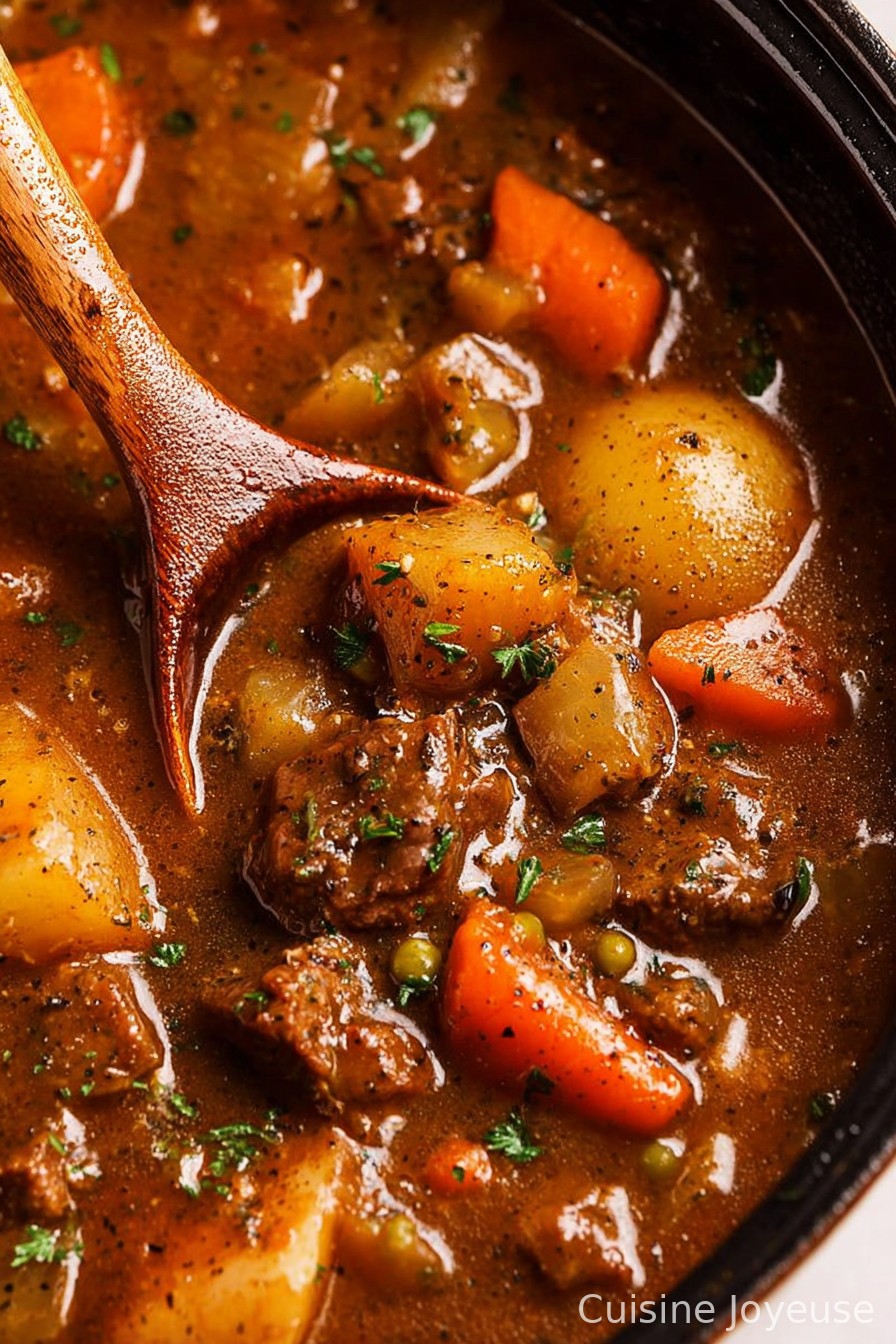
Alright friend, if you’ve ever craved the kind of meal that makes your whole house smell like a warm hug, this old fashioned Beef Stew is it. There’s honestly nothing fancy here, just the kind of cooking that makes you feel like you’re channeling somebody’s grandma—even if, like me, your gran preferred sherry and TV dinners (bless her). The first time I made this, I accidentally swapped the salt for sugar (don’t ask, long story involving a mislabeled jar and a distracted phone call). Not my finest hour, but hey, now I triple check before tossing anything in the pot—lesson learned.
Why I Make This Stew (and Maybe You Should Too)
I usually whip this up when it’s gloomy outside, or just when things feel too noisy and I need to simmer something slow and simple. My family goes crazy for this, though if I’m honest, sometimes it’s mostly because it means there’s fresh bread on the side. (And yeah, I have ruined a loaf or two by not babysitting the oven…oops.) It’s also basically my secret weapon when folks show up unexpectedly hungry—which somehow happens more than it should around here. Oh, and the leftovers—I swear, the flavors get all friendly if you let them hang out overnight.
What You’ll Need (With My Two Cents on Swaps and Shortcuts)
- 2 pounds Beef Stew meat (I usually grab chuck, but my neighbor swears by round roast—I’ve tried both, it’s all good if you don’t let it get too lean)
- 3-4 carrots, peeled and chopped (sometimes I just use baby carrots and skip the peeling—nobody’s checked yet)
- 2 large potatoes, cubed (or really, any starchy potato you’ve got rattling around in the pantry)
- 1 onion, chopped (my grandmother always insisted on yellow, but red onions sneak in at my house when that’s all there is)
- 3 celery stalks, chopped (optional, but I think it gives a good backbone)
- 4 cloves garlic, minced (sometimes I just smash them and toss them in, because who has time to mince?)
- 2 tablespoons tomato paste (if you don’t have it, a chopped tomato or some ketchup honestly works in a pinch)
- 4 cups beef broth (homemade is a dream, boxed is reality)
- 1 bay leaf (I’ve forgotten this before—no disaster, but you’ll miss it)
- 1 teaspoon dried thyme (fresh is fancier, but I never bother)
- Salt and black pepper (to taste; start with a big pinch of each)
- Olive oil or vegetable oil (I sometimes reach for bacon grease if I’ve been frying it up—no complaints yet)
- A handful of peas (frozen is fine, they go in at the end)
- Optional: a splash of red wine—makes you feel very chef-y, but not actually required
Here’s How I Throw It All Together
- Get your meat brown and happy. Heat a bit of oil in a big heavy pot (Dutch oven’s great, regular soup pot does the trick). Pat your beef pieces dry and season ’em well. Brown them in batches; don’t cram them in—otherwise they steam, not sear. (This is usually where I realize my stove runs hot and start fussing with the heat.) Take the beef out as it gets browned.
- Soften the veg. In the same pot (leave the brown bits), throw in onions, carrots, and celery. Stir for 5 minutes. If things are sticking, splash in some broth and scrape up the goodies off the bottom. Garlic in for the last minute.
- Paste and wine time. Add the tomato paste (or whatever you’re using) and let it cook out for a minute or two. If you’re using wine, pour it in here and let it bubble—sometimes I don’t, depends what’s open. Actually, this is the moment I usually taste a veg or two (chef’s privilege, right?).
- Beef back in. Return the browned meat to the pot and cover stuff with broth. Toss in the potatoes, thyme, bay leaf, a hit of salt and pepper. Give everything a stir, bring it just to a boil, then drop to a gentle simmer.
- Wait it out. Now, this is where patience is a virtue—cover and simmer for at least two hours. If you try to rush it, the beef gets grumpy (read: tough)—I learned that the hard way. Peek in once or twice, give it a gentle stir. Scoop any foam if you see it. It always looks a bit odd around the 1-hour mark. Don’t fret—it’ll come together.
- Final flourish. About 10 mins before you’re ready to eat, toss in peas. Taste, adjust seasoning, stare at it admiringly. Fish out the bay leaf before serving or else someone will get a surprise in their bowl. Happened here more than once!
Notes (Aka, Stuff I Wished I’d Known Sooner)
- If you want a thicker stew, mash a bit of potato into the broth near the end or shake a spoonful of flour with water and drizzle it in; I don’t always bother—it mostly depends on how lazy I feel.
- I used to peel every carrot and potato religiously, but honestly, a good scrub and you’re 95 percent there. More rustic, but hey, less food waste.
- Don’t use stew meat that’s too lean—been there, chewed that—fat is flavor and tenderness!
- On second thought, add a dash of Worcestershire sauce if you’re missing depth; I only figured this out years after making it plain.
Some Experiments I’ve Tried (Good and…Otherwise)
- Tossed in parsnips instead of potatoes once—tasted fine, just made things sweet. Nobody asked for it again.
- Added barley a couple times—makes it sort of Scottish and very filling.
- Tried using lamb cubes instead of beef. Wasn’t a hit in my house—guess we’re traditionalists (and the dog got lucky that night).
- Thrown in a leftover turnip—don’t recommend unless you’re a turnip fan, which I am not.
What You Need Equipment-Wise (Cheating Allowed)
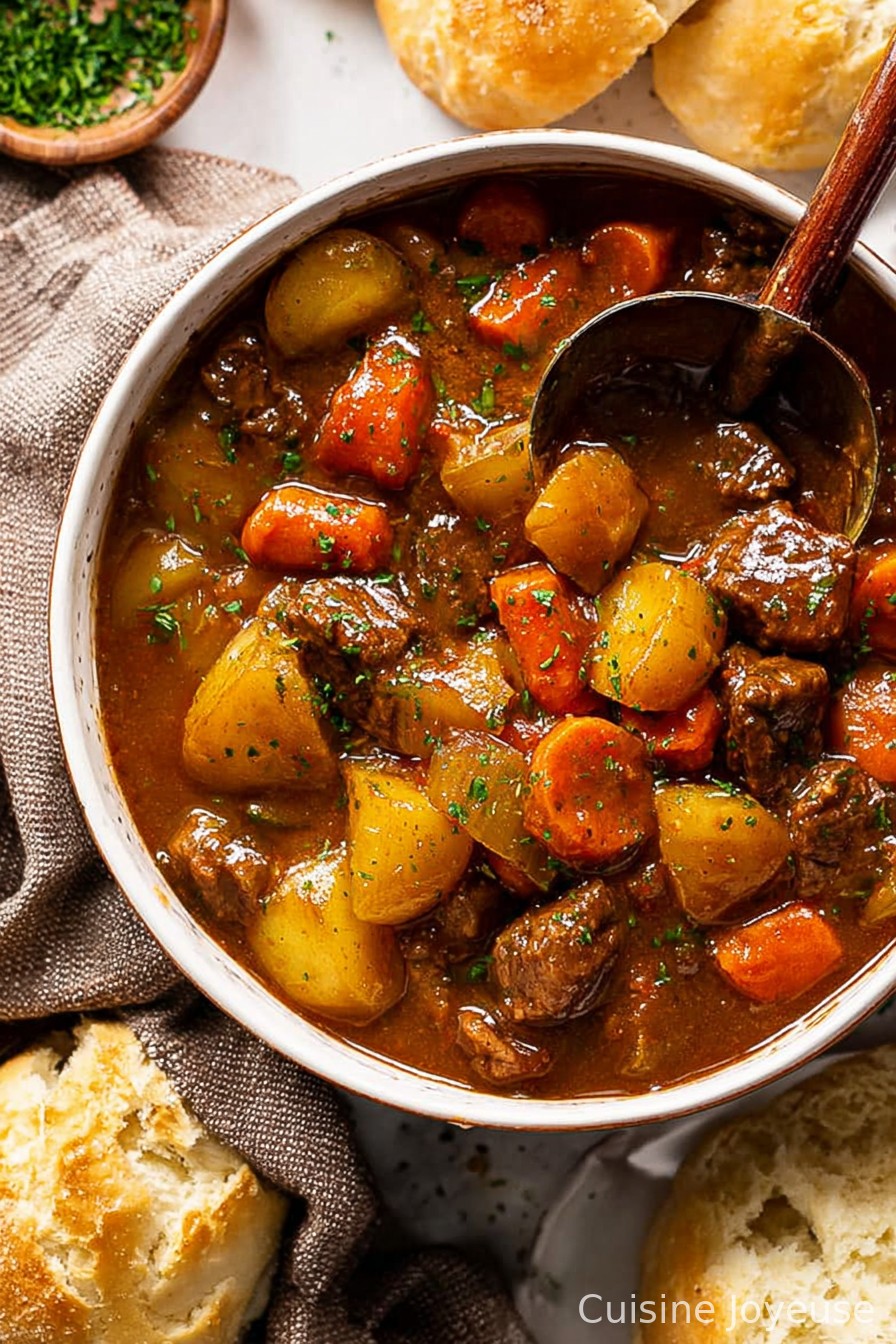
All you really want is a big heavy pot—Dutch oven is dreamy, but if you’ve only got a regular soup pot, that’s totally fine. I made this once in a camping pot over a dodgy stove on a rainy weekend and honestly, it just added character (and maybe a little “crunch” from unwashed pan regrets, haha). Wooden spoon’s nice, but, um, whatever stirs the stew will work.
Keeping Leftovers (If There Are Any!)
Store leftovers in the fridge—they keep well for up to 3 days (though honestly, in my place, it barely lasts 24 hours). Sometimes I stash a bowl at the very back under the kale to protect it form midnight snackers!
Serving It Up—How We Do It
My favorite is to ladle it over mashed potatoes or with a hunka crusty bread (to mop up every last bit). On cold nights, I’ve been known to add a blob of sour cream or sprinkle on fresh parsley just to be fancy. And a big mug of something hot—yes please.
Things I’ve Learned (Aka, Please Don’t Rush This Step)
- I once tried turning the heat up to “speed things along.” Regret. Beef was like shoe leather. Slow and low is the only way here.
- Piling in ALL the veggies at once? Turns into mush. Add quick-cooking stuff (peas, occasionally green beans) right at the end, trust me.
Questions Folks Actually Ask Me
- Can I make this in a slow cooker?
Oh absolutely. Brown the beef first (if you can be bothered), then chuck everything in and cook on low ’til the beef is tender. Tastes almost as good (maybe better, if you’re lazy like me some days). - Can I freeze it?
Yes! Just cool it right down and portion it out. The potatoes get a bit grainy after freezing, but it’s still good (unless you’re super picky). - What if I don’t eat beef?
I’ve tried this with mushrooms (lots) and it worked surprisingly well. Or try chicken thighs—might need less cooking time. - Help, my stew is too thin!
Simmer uncovered for a bit, or mash in a spud. I’ve also been known to throw in a spoonful of instant mashed potato flakes—I won’t tell if you won’t. - Why does my stew taste bland?
It probably just needs salt or maybe a splash of Worcestershire sauce—taste as you go. Or let it sit overnight; flavors always get better on day two. Magic, I swear. - Do I really have to use tomato paste?
Nah. It adds a nice depth, but I’ve skipped it and nobody noticed—except maybe my foodie friend, but she says that about everything.
Wow, I somehow ended up rambling about stew almost as much as I make it—which is probably fitting. I always think of this recipe as a little like life in the kitchen: forgiving, adaptable, and sometimes, better when not taken too seriously. So, if you try it and tweak it, just know you’re part of the club now (sorry, no actual badges, but plenty of good eats).
Ingredients
- 2 pounds beef chuck, cut into 1-inch cubes
- 3 tablespoons all-purpose flour
- 2 tablespoons olive oil
- 1 large onion, chopped
- 3 cloves garlic, minced
- 4 cups beef broth
- 3 large carrots, sliced
- 3 potatoes, peeled and cubed
- 2 celery stalks, sliced
- 2 tablespoons tomato paste
- 1 teaspoon dried thyme
- 1 bay leaf
- Salt and black pepper, to taste
Instructions
-
1In a large bowl, toss the beef cubes with flour, salt, and pepper until evenly coated.
-
2Heat olive oil in a large Dutch oven over medium-high heat. Brown the beef in batches until golden on all sides. Remove beef and set aside.
-
3Add onion, garlic, and celery to the pot. Cook, stirring, for 3-4 minutes until softened.
-
4Stir in the tomato paste, then return the browned beef to the pot. Pour in the beef broth and add thyme and bay leaf. Bring to a boil, then reduce heat, cover, and simmer for 1 hour.
-
5Add carrots and potatoes. Continue to simmer, covered, for another 45-60 minutes, or until vegetables and beef are tender.
-
6Remove bay leaf. Taste and adjust seasoning with salt and pepper before serving hot.
Approximate Information for One Serving
Nutrition Disclaimers
Number of total servings shown is approximate. Actual number of servings will depend on your preferred portion sizes.
Nutritional values shown are general guidelines and reflect information for 1 serving using the ingredients listed, not including any optional ingredients. Actual macros may vary slightly depending on specific brands and types of ingredients used.
To determine the weight of one serving, prepare the recipe as instructed. Weigh the finished recipe, then divide the weight of the finished recipe (not including the weight of the container the food is in) by the desired number of servings. Result will be the weight of one serving.
Did you make this recipe?
Please consider Pinning it!!