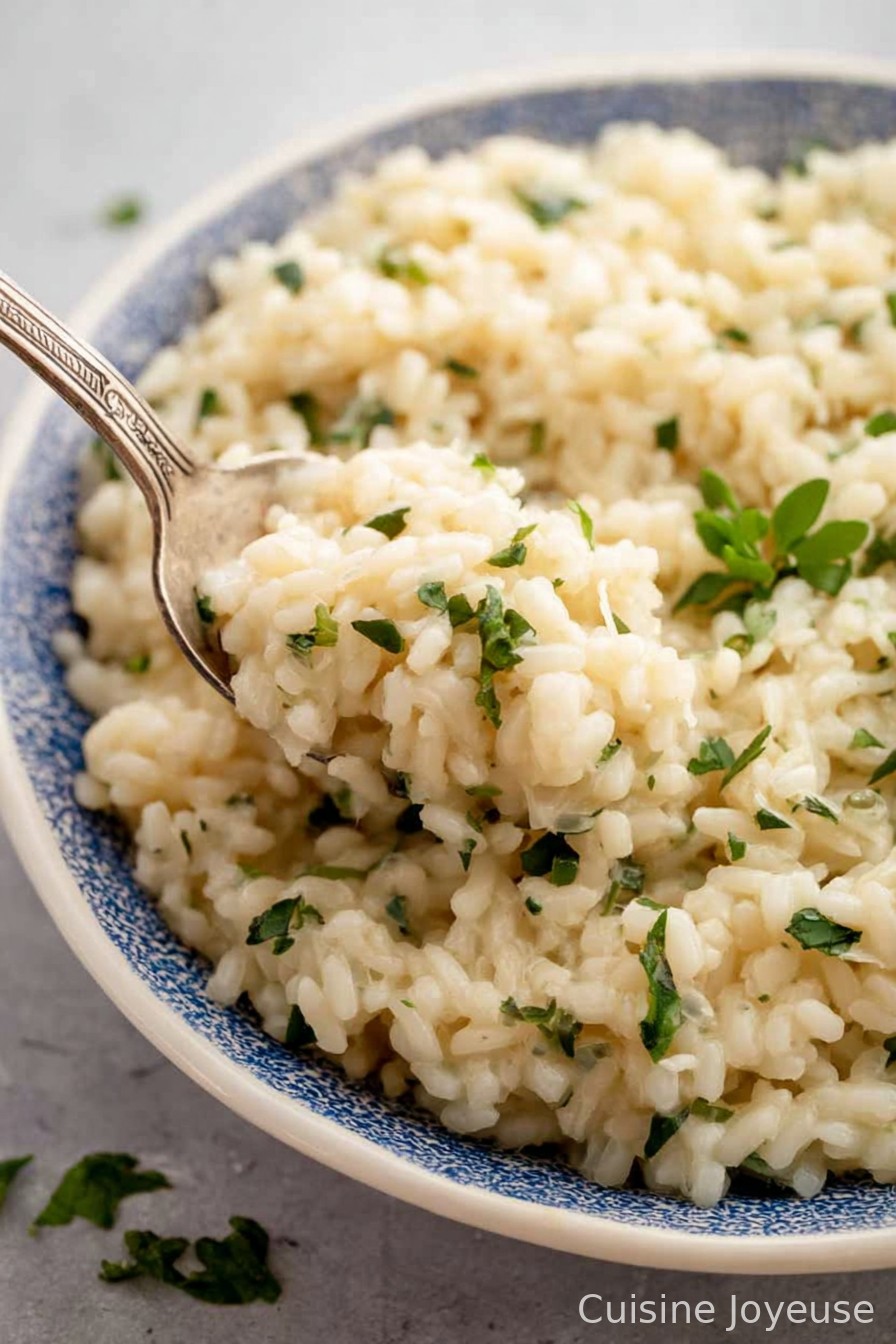
Easy Garlic Parmesan Risotto Recipe
If you’ve ever found yourself staring at a bag of arborio rice, wondering what on earth to do with it (maybe it’s just me?), let me introduce you to my reliable weeknight hero: this easy garlic parmesan risotto. The first time I made it, my kitchen looked like a flour bomb went off—rice everywhere, and somehow garlic skins showed up in my shoes? But after a bit of practice (and several deep sighs), I got hooked on how forgiving and totally customizable this dish is. If you can stir with one hand and hold a glass of wine with the other, you’re basically overqualified.
Why You’ll Actually Crave This Risotto
I make this when I want something fancy-ish but don’t have the brain bandwidth for real effort (you know those days). My family goes full-on goblin mode for the cheesy garlicky goodness—sometimes I find myself defending the pot with a wooden spoon. It’s creamy, but not too heavy, and if you get distracted and forget a step, there’s usually some way to rescue it (which is, honestly, most of my cooking style). Oh, and the leftovers are awesome…if there ever are any.
What You Need (And My Not-So-Secret Swaps)
- 1 cup arborio rice (I once used regular short-grain rice when I was out and, sure, it works, but it’s just not the same—more clumpy than creamy)
- 4 cups low-sodium chicken broth (literally any broth works, even veggie, and sometimes I cheat with a bouillon cube; my grandma swore by homemade stock but she also owned a cow, so…)
- 1 small onion, finely chopped (okay, some nights it’s a shallot, or honestly half an onion if that’s all that’s left)
- 3-4 garlic cloves, minced (no judgment if you use the pre-chopped jar stuff—some nights are chaotic)
- 2 tablespoons olive oil or butter (butter feels fancier, olive oil is less guilt?)
- 1/2 cup grated parmesan cheese (I use pre-grated if I’m in a rush—just don’t tell any Italians)
- Salt and black pepper to taste (I eyeball it, you probably do too)
- Optional extras: a splash of dry white wine (if you’ve got it), handful of fresh parsley, squeeze of lemon (things start tasting restaurant-level with these)
How to Make It (With a Bit of Controlled Chaos)
- Warm up your broth. Pop it in a saucepan on low heat so it’s ready to keep your risotto creamy. Or microwave it in chunks, honestly, but don’t skip warming—it helps things cook evenly.
- Sauté onion and garlic. Oil or butter in the biggest pan you own. Chuck in onion—let it soften for a few minutes. Garlic goes in after (don’t let it brown, or it’ll go all bitter).
- Add the rice and stir like you really mean it for a minute until it looks shiny and smells a little nutty. This step makes all the difference. Or so someone on YouTube said, so now I do it.
- (Optional but fancy) Pour in that wine. Let it sizzle away until it mostly vanishes. I sometimes skip this if I can’t be bothered—or if I drank it first.
- Ladle in the broth, bit by bit. About a half cup at a time. Stir gently (I get distracted and wander off, but just try to show up for this part). When the rice looks thirsty—add more broth. Don’t panic if it goes gloppy at first; it smooths out.
- This is when I sneak a bite. Around the 15-minute mark, check if the rice is soft but with a little bite left. Keep adding broth and stirring until it reaches your favorite consistency. (Sometimes mine gets a bit sticky, so I go heavy on extra broth at the end.)
- Stir in the parmesan and taste for salt and pepper. Now it’s officially decadent.
- Top with parsley or squeeze of lemon if you want to pretend you’re on a cookery show.
Notes I Learned Form Messing Up a Few Times
- If you use cold broth, your rice will get grumpy and not cook right. Trust me, I’ve tried.
- Too much stirring is better than too little. Once, I left it unstirred to answer the door (it stuck badly—I nearly wept).
- I think this tastes even better the next day, which is rare for risotto, but only if you reheat it gently with a splash of broth or milk.
Risotto Experiments (Some Brilliant, Some…eh)
- Tried stirring in chopped roasted mushrooms: sublime. Highly recommended.
- Chucked in frozen peas last minute—they’re fine, if you like them (my kid does, so there you go).
- Once swapped the parmesan for sharp cheddar when I was desperate. Regret. Just…no.
What You’ll Need (And a Few Cheeky Hacks)
- Big heavy-bottomed pan (if you only have a regular saucepan, just lower the heat a bit and stir more—no need to buy anything fancy)
- Wooden spoon or silicone spatula, or anything you can stir with that won’t scratch a nonstick pan.
- Ladle (soup spoon? Even a mug, in a pinch. No one’s judging here.)
How to Store This Stuff (If You Somehow Have Leftovers)
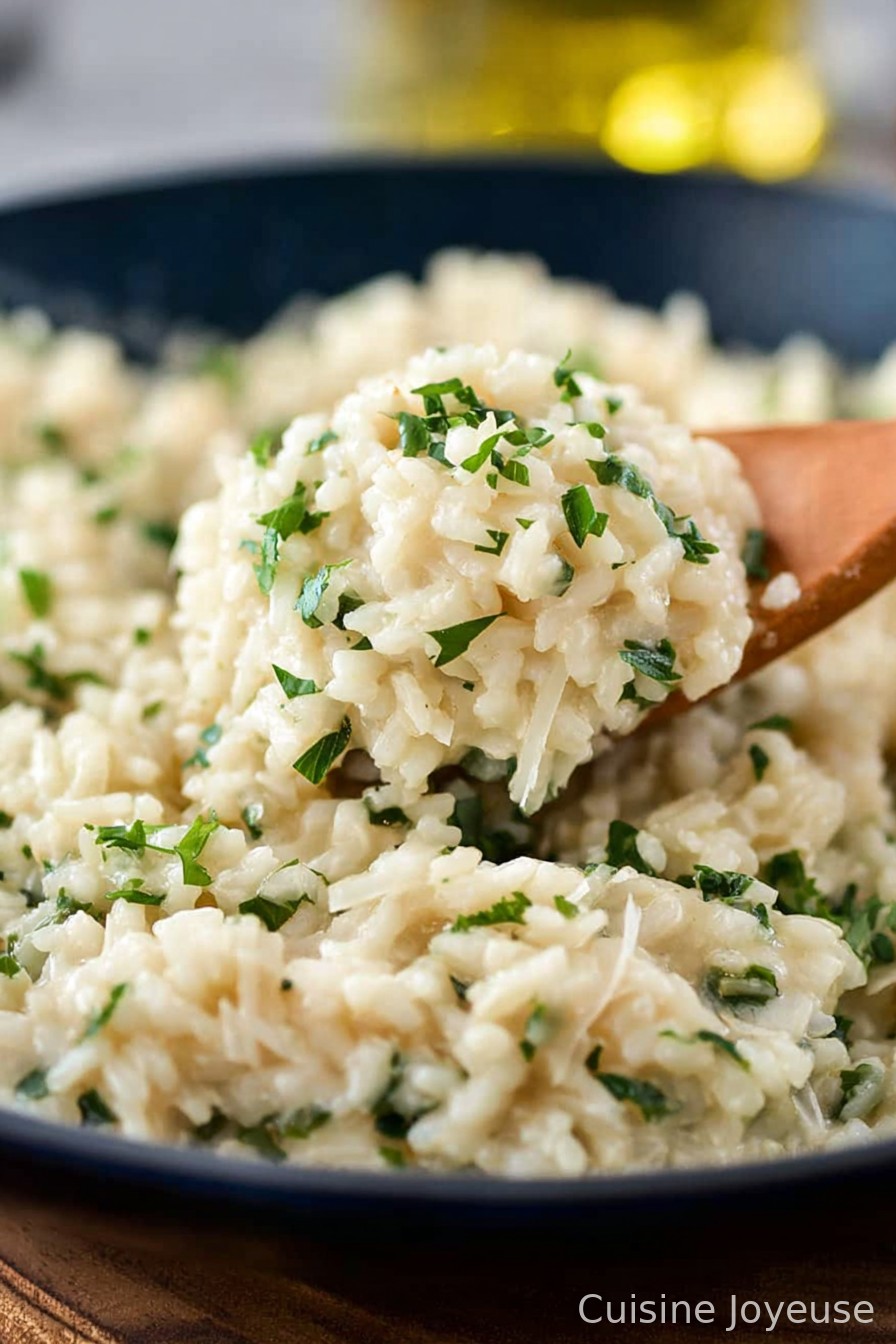
Keep any leftovers in a lidded container in the fridge for up to 2 days. Reheat with a bit of extra broth, water, or even milk on the stovetop—it freshens up the texture. But honestly, in my house it never lasts more than a day! Cold risotto isn’t half bad for breakfast, if you’re adventurous.
How I Like to Serve It (And How My Family Insists)
Usually straight from the pan, right at the stove, because we’re all impatient. But if I’m feeling civilized, I spoon it into warm bowls, top with extra cheese, maybe some chopped fresh parsley or a little lemon zest. My sister likes it with a side salad; I tend to eat it solo while standing up—less washing to do.
A Few Hard-Earned Pro Tips
- I once tried rushing the broth additions all at once. Nope. It ended up a rice brick. Just trust the slow approach, at least mostly.
- Actually, it’s easier to grate the cheese while the risotto is bubbling, not before; keeps you occupied during all that stirring.
- Don’t salt too early! The cheese is salty, so wait until the end or you might need to chug water all night.
Your Risotto Questions, Answered While Chasing the Cat Off the Counter
- Can I use brown rice? Well…technically, yes, but it takes forever and it goes a bit chewy. I tried it once, lost my will to live, and went back to arborio!
- What’s the best broth? I love homemade veggie stock but let’s be real—store-bought works. Just keep it low-sodium, otherwise it can taste like a salt lick.
- Is risotto hard to make? Nope, it just asks for patience. And, yeah, your wrist might get tired, but think of it as a mini workout.
- How do I make it extra creamy? Add a little more cheese or even a dash of cream at the end. Or check out this hilarious risotto explainer on Serious Eats—they make it more sciencey than I ever could.
- Do I need wine? No, but it gives a nice depth. I sometimes sub in a splash of apple juice in a pinch (not the same, but passable).
One day, I’ll write up my misadventure with cauliflower risotto that ended in disaster, but until then, stick with this classic and you’ll be just fine.
Ingredients
- 1 1/2 cups Arborio rice
- 4 cups low-sodium chicken broth or vegetable broth
- 3 tablespoons unsalted butter
- 1 small yellow onion, finely chopped
- 4 cloves garlic, minced
- 1/2 cup grated Parmesan cheese
- 1/4 cup dry white wine (optional)
- Salt and black pepper to taste
- 2 tablespoons chopped fresh parsley (for garnish)
Instructions
-
1In a saucepan, warm the chicken or vegetable broth over low heat; keep it simmering while you prepare the risotto.
-
2In a large skillet or saucepan, melt 2 tablespoons of butter over medium heat. Add chopped onion and cook until translucent, about 3 minutes.
-
3Add minced garlic and cook for 1 minute until fragrant. Stir in the Arborio rice and cook for 2 minutes, stirring to coat all grains with butter.
-
4If using, pour in the white wine and cook until it has mostly evaporated. Add a ladleful of warm broth to the rice and stir gently until absorbed.
-
5Continue to add broth one ladle at a time, stirring frequently and letting each addition absorb before adding more. Cook until the rice is creamy and al dente, about 18–20 minutes.
-
6Remove from heat. Stir in remaining butter and Parmesan cheese. Season with salt and black pepper to taste, garnish with chopped parsley, and serve immediately.
Approximate Information for One Serving
Nutrition Disclaimers
Number of total servings shown is approximate. Actual number of servings will depend on your preferred portion sizes.
Nutritional values shown are general guidelines and reflect information for 1 serving using the ingredients listed, not including any optional ingredients. Actual macros may vary slightly depending on specific brands and types of ingredients used.
To determine the weight of one serving, prepare the recipe as instructed. Weigh the finished recipe, then divide the weight of the finished recipe (not including the weight of the container the food is in) by the desired number of servings. Result will be the weight of one serving.
Did you make this recipe?
Please consider Pinning it!!