Citrus Salad Recipe
Let Me Tell You About This Citrus Salad (and the Time My Orange Peeler Disappeared)
You ever just crave something that punches you awake—like, wow, hello flavor? That’s what this citrus salad does for me. I first made it years ago when I (accidentally) bought a whole bag of grapefruits instead of oranges. Oops. After that, it became a bit of a family joke: “Is this the grapefruit salad again?” But, honestly, it turned out to be a happy accident because that tart zing married with sweet oranges, well, it makes for one heck of a bowlful. Sometimes, when the sun’s out and I can’t be bothered to fire up the stove, I just chop everything in a big mismatched bowl and let folks dig in. Oh, and about that orange peeler—still missing, if you’re wondering. I use a regular paring knife now. Works fine, mostly.
Why I Keep Coming Back to This Salad (and Maybe You Will, Too)
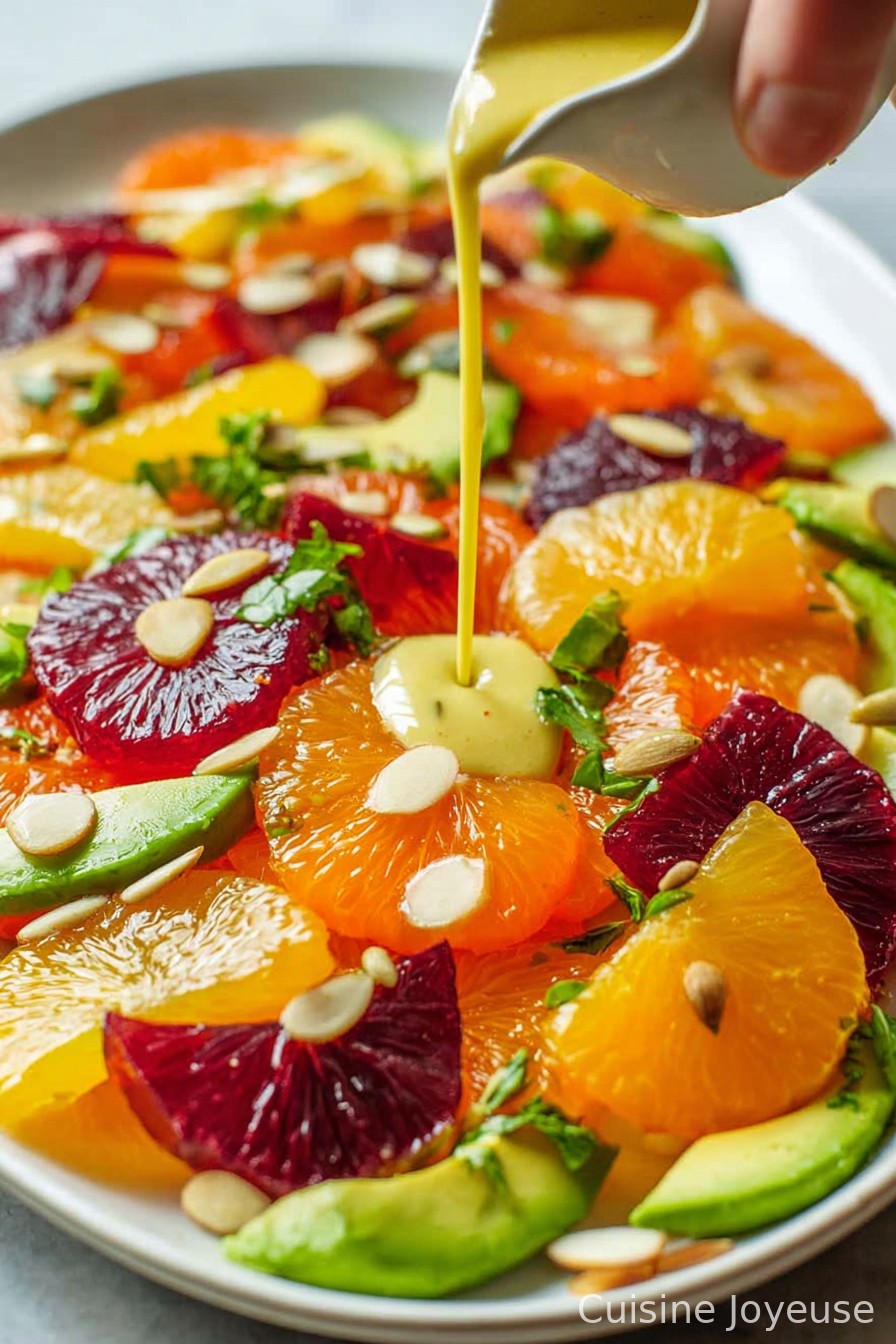
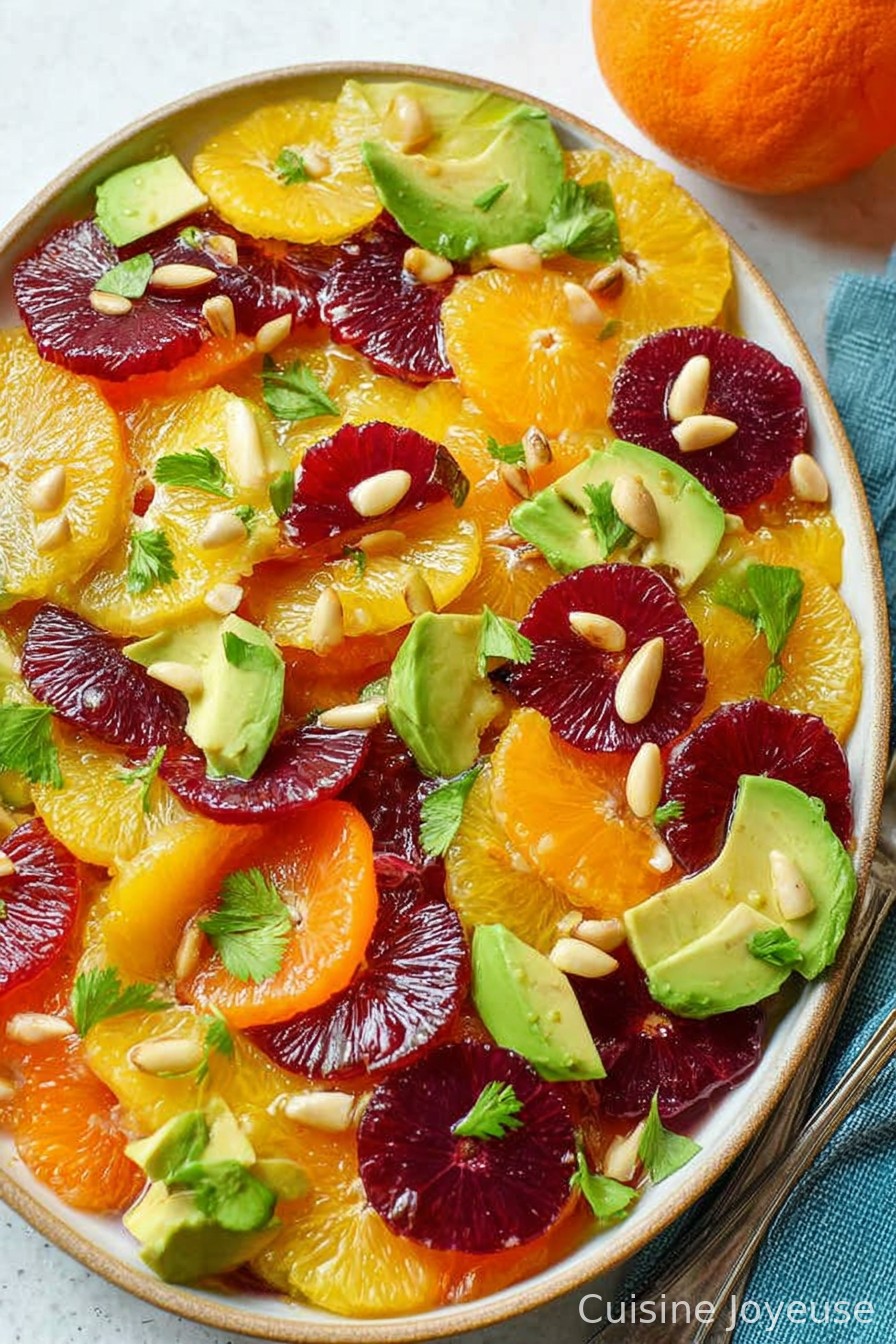
I make this when my fridge is basically just a citrus storage container, or if friends are coming over and I want something light without much faff. My family goes a bit bonkers for it in winter (citrus mood-lifter, seriously) but, actually, it’s just as good after a BBQ in July. Sometimes I get all fancy and add avocado or pistachios, but really, the stars are those juicy orange-pink slices—messy hands and all. When I’m tired or pressed for time, I skip the frills (but not the salt—trust me). And hey, once I used pre-sliced supermarket citrus. It sort of worked, not as bright, but good enough in a pinch.
Here’s What You’ll Need (and Some What-Ifs)
- 2 navel oranges (Cara Cara’s nice if you’ve got ’em, regular works fine, too)
- 1 pink grapefruit (or a red one—sometimes I use clementines instead if kids are fussier)
- 1 blood orange (optional, but makes you look gourmet)
- a handful of fresh mint leaves (basil in a jam, or I’ve even used parsley once—wasn’t bad)
- 1 small shallot or a few slices of red onion (or skip it if raw onion’s not your thing, my uncle hates it)
- 2 tablespoons good olive oil (I think my grandmother only ever used Bertolli, but any will do)
- a pinch of flaky sea salt (table salt’s okay, but you didn’t hear it from me)
- cracked black pepper (if you’re into that)
- Optional: a sprinkle of toasted nuts (hazelnuts, pistachios, whatever you like)
How I Throw It All Together (and What to Do If Your Segments Look Strange)
- First things first, grab yourself your best knife—if it’s dull, sharpen it, or just make do (I’ve hacked away with a steak knife before; it’s fine). Slice off the ends of the citrus, stand them up, and cut away the skin and that white stuff. Don’t stress too much about getting it perfect. At this stage, it always looks like a bit of a mess, but that’s half the fun.
- Now, section out the citrus. Follow the lines (or don’t, I just cut discs sometimes if I can’t be fussed). Toss all those jewel-like slices into a big bowl.
- Thinly slice your shallot or red onion. I actually rinse mine under cold water first so it’s less sharp, but that’s just me being fussy. Throw it in.
- Drizzle over your olive oil, toss in a handful of mint leaves (tear them up if they’re big, but if not, just chuck them in whole). Season with salt and black pepper.
- This is usually where I sneak a taste. Maybe add another pinch of salt—then taste again. (It’s part of the process, right?)
- If you want to get fancy, add the nuts now. Or don’t. Sometimes more is just more.
- Toss it gently, so the citrus doesn’t get completely squashed. Plate it up, or let folks serve themselves straight from the bowl (I do, no shame).
Notes (Because I’ve Messed This Up A Few Times)
- If you have those little white bits (pith) still clinging on, don’t fret. They’re a bit bitter, but honestly, you stop noticing after the first bite.
- I once left the salad sitting out in the sun too long. Guess what—didn’t taste half bad, just don’t do it on purpose because it can get mushy.
- I find it tastes better the next day, oddly enough, but it never survives that long round here.
Variations: My Experiments (Including One Flop)
- Swapped the mint for basil—fresh, kind of Italian-y, super nice.
- Added slices of avocado. Luscious. Unless the avocado’s underripe; then it just sulks in the corner of the bowl.
- I tried adding blue cheese once—nope. Not for me. Maybe you’ll love it?
- Pomegranate seeds? Yes, but they’re a pain to fish out of the fridge. Still, worth it when you’ve got them lying about.
Gear You Need (and What to Do If You Don’t Have It)
A sharp-ish knife (or, honestly, a basic serrated one. If you’ve got a fancy citrus peeler, sure, use it—but I just hack away with whatever’s near the top of the drawer). A bowl. Cutting board. If you’ve got a citrus juicer, use the extra juice for something else. Or just squeeze it over the sink and hope for the best.
How to Store the Salad (If You Somehow Don’t Eat It All)
Pop leftovers in a covered container smack in the fridge. Lasts about a day, maybe two, but—truth be told? No one here’s ever allowed it to see day two. It gets kinda soupy if you wait too long, but still tastes pretty sharp for a quick snack.
How I Like to Serve It (Hint: It’s Great for Brunch)
I love serving this with grilled chicken or fish, or just piled next to toast at brunch. My cousin puts it on top of cottage cheese (bit odd, but it’s his thing). Once I set it out as a starter at a winter dinner party, and nobody missed the soup. Try it with salty feta and you’ll see what I mean.
Pro Tips (a.k.a. What I Learned the Hard Way)
- Don’t rush the peeling step. Once, I did and mangled half the oranges. The salad was, let’s say, rustic that night.
- Let the salad stand for a few minutes before you serve it. I used to skip this step—regretted it loads, because it tastes so much better after the flavors hang out together.
- Keep some extra mint for last-minute topping; otherwise it can look a bit sad and wilted.
FAQ: Stuff Folks Actually Ask Me
- Can I use other citrus fruits? (Like tangerines?)
- Absolutely! Just about anything that’s juicy and sweet-tart works. Tangerines, clementines, even pomelo if you’re feeling adventurous (or a touch mad). The more colorful, the better—it always gets oohs at the table.
- Do I have to add onion?
- Nope. But I kinda like the sharpness. If onions aren’t your bag, skip them or try really thinly sliced fennel, actually. Crisp and a little anise-y!
- Is this vegan and gluten-free?
- Yep! Unless you go wild and toss in cheese, then not so much. Up to you—and your dairy tolerance, I guess.
- Can I prep it in advance?
- Sure thing, but don’t add the mint until you’re nearly ready to serve or it’ll go a bit limp. Learned that lesson the hard way, thanks to a lazy Sunday picnic.
- What if it’s too tart?
- Drizzle in a teaspoon of honey or maple syrup. Or just tell your guests it’s “invigorating”—that always works for me.
By the way, if you get really into this, try tossing in a handful of cooked grain (like quinoa) for lunch, but on second thought, maybe that’s a whole different recipe—see, digressions everywhere with me. Anyway, hope you love this salad as much as we do—just don’t blame me if you get hooked.
Ingredients
- 2 large oranges, peeled and sliced
- 2 grapefruits, peeled and segmented
- 1 blood orange, peeled and sliced
- 1 cup baby arugula
- 1/4 cup pomegranate seeds
- 2 tablespoons chopped fresh mint
- 2 tablespoons extra virgin olive oil
- 1 tablespoon honey
- 1 tablespoon fresh lime juice
- Pinch of sea salt
Instructions
-
1In a small bowl, whisk together the olive oil, honey, lime juice, and a pinch of sea salt to make the dressing.
-
2Arrange orange slices, grapefruit segments, and blood orange slices on a large serving platter.
-
3Scatter the baby arugula, pomegranate seeds, and chopped fresh mint over the citrus fruits.
-
4Drizzle the honey-lime dressing evenly over the salad.
-
5Serve immediately as a refreshing appetizer or side dish.
Approximate Information for One Serving
Nutrition Disclaimers
Number of total servings shown is approximate. Actual number of servings will depend on your preferred portion sizes.
Nutritional values shown are general guidelines and reflect information for 1 serving using the ingredients listed, not including any optional ingredients. Actual macros may vary slightly depending on specific brands and types of ingredients used.
To determine the weight of one serving, prepare the recipe as instructed. Weigh the finished recipe, then divide the weight of the finished recipe (not including the weight of the container the food is in) by the desired number of servings. Result will be the weight of one serving.
Did you make this recipe?
Please consider Pinning it!!