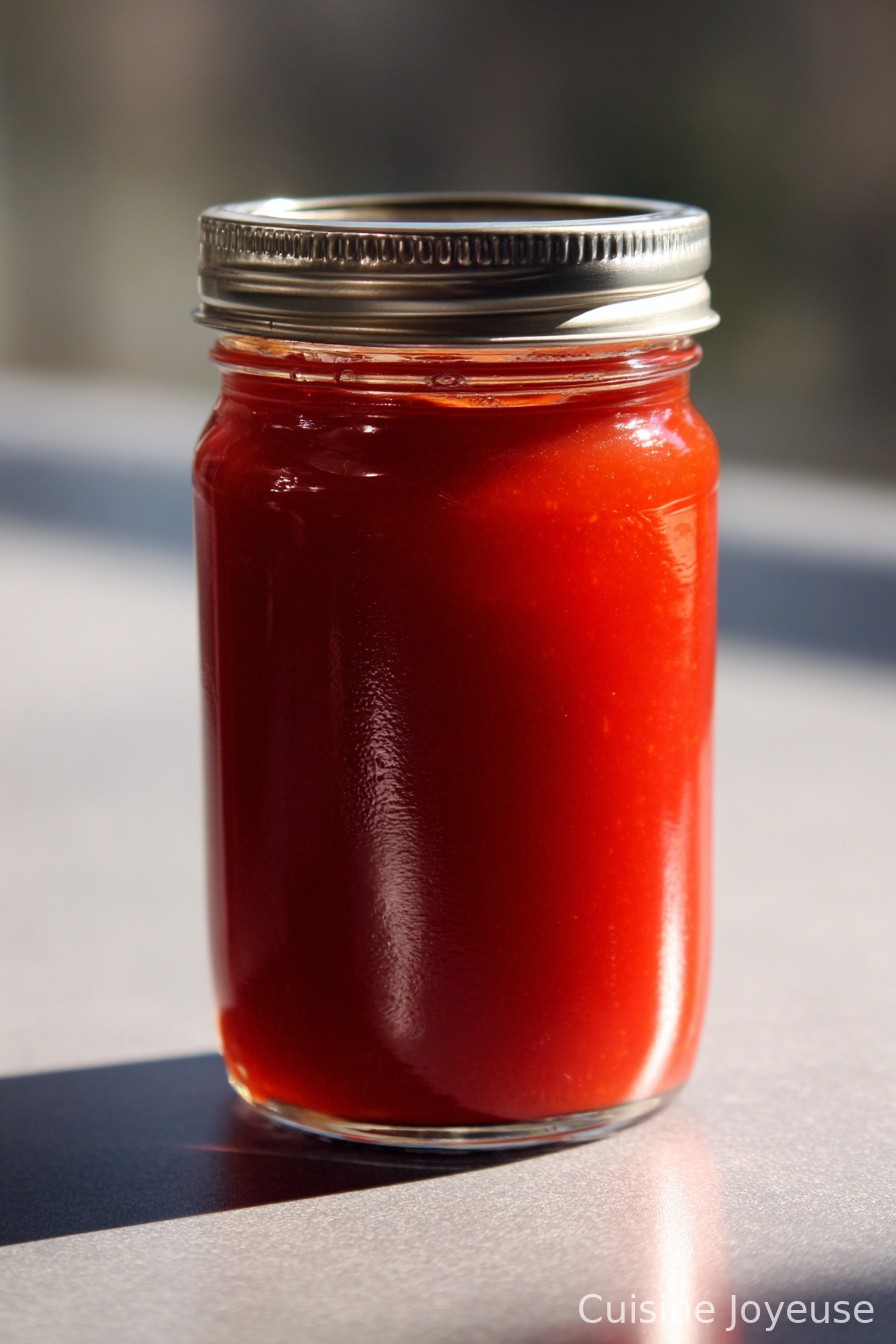
Canned Ketchup Recipe (Heinz Copycat)
Let Me Tell You About Canning Ketchup (Heinz Style… Mostly)
Alright, so you know how sometimes you get hit with a craving for those classic fries and all you want is that thick, sweet-tangy ketchup—not the weird watery stuff that claims to be ketchup but just isn’t? That’s when I wandered into the wild world of homemade canned ketchup years ago. I’ll be honest: my first batch was…erm… more like tomato jam than anything Heinz would ever recognize (my cousin called it “fancy marinara,” not ketchup, sigh). But! After some trial, error, and a few kitchen disasters (don’t ask about the time I forgot the vinegar), I landed on a recipe that’s so close to the squirt-bottle classic, my kids swear it’s the real deal. Grown-ups here sneak spoonfuls onto just about everything now. Ketchup on eggs isn’t weird, right?
Why You’ll Love This (Unless You’re My Uncle, Who Hates Tomatoes)
I make this whenever I harvest way too many tomatoes and can’t bear making yet another batch of sauce. My family goes bananas for it—especially my little one, who calls it “Mom’s secret dip” (the secret is, it’s ketchup). Also, I use this when the store is a million miles away (or, you know, I just don’t feel like changing out of pajamas). The best part? You actually control how sweet or tangy you want it—there’s no mystery ingredients that sound like high school chemistry class. Oh, and good news: no more weird crusty bottle tops (you know what I mean).
What You’ll Need – With a Few Swaps, if You Wish
- 10 lbs ripe tomatoes (Roma is ideal, but any kind works—even those random ones from the back of the fridge, but maybe skip the fuzzy ones…)
- 2 large yellow onions, chopped (I switch to red onions sometimes—gives it a punchier bite!)
- 1½ cups apple cider vinegar (White vinegar if you’re fresh out. My mom swears by Bragg’s but, honestly, any old brand does fine)
- 1½ cups granulated sugar (Or sub in brown sugar, tastes a bit deeper)
- ¼ cup tomato paste (Honestly, you can skip this if your tomatoes are super intense, but I usually toss it in for that classic color)
- 1 tablespoon salt (kosher or whatever lives in your cupboard)
- ¾ teaspoon ground cinnamon
- ½ teaspoon ground allspice (Sometimes I use Jamaican allspice berries, but ground is just easier)
- ½ teaspoon ground cloves
- ½ teaspoon ground black pepper
- 1 teaspoon garlic powder (Or two fresh cloves, minced—depends how much you feel like chopping)
- 1 bay leaf
How I Actually Make It (Not Just the Pinterest Version)
- Prep the Tomatoes: Wash the tomatoes and chop roughly. I usually don’t bother peeling them, but if you’re feeling fancy, you can. Throw them all in a big ol’ pot with the onions. Bring to a nice bubbly simmer; cook 30-40 minutes. It gets kind of soupy—that’s normal.
- Blend it Up: Fish out the bay leaf if you tossed it in early (if not, don’t panic, just remember it later). Use an immersion blender right in the pot. Or, if you’re like me and own an ancient blender, carefully ladle and whiz it in batches. Aim for as smooth as you like—some folks strain it here for extra silkiness, but I skip that if I’m in a hurry.
- Simmer & Reduce: Pour it all back (if you blended separately), then add sugar, vinegar, salt, tomato paste, cinnamon, allspice, cloves, black pepper, garlic powder, and the bay leaf if you didn’t before. Give a good stir. Bring to a simmer. Now, this is the stage where patience matters—it can take 1½ to 2 hours to reduce. Stir often, or you’ll get splatters (ask my white t-shirt why).
- Taste and Adjust: This is where I sneak a taste—if you want it sweeter, add a little more sugar; too tangy, a touch more salt. Honestly, it’s super flexible. And if it’s too thick, add a splash of water.
- Remove the Bay Leaf & Can: Once it’s reached ketchup-thickness (think, run a spoon through it and it takes a moment to fill in), fish out that bay leaf! Ladle hot ketchup into sterilized jars, leaving about ½ inch at the top. Wipe the rims (this bit is fussy but worth it—I’ve had jars not seal because of drips), screw on lids.
- Process the Jars: Use a water bath canner, process 15 minutes for half-pints or pints. If you don’t have a canner, a giant pasta pot with a rack in it works. Remove, let cool, and try not to tap the jars a zillion times like I do.
Honestly Useful Notes (That I Learned the Hard Way)
- Your kitchen will smell like a vinegar-tomato chemistry set for a good while. I open a window or send the kids outside (or both).
- The ketchup will thicken more as it cools. It always looks a bit too runny when it’s hot—every. single. year. Don’t worry.
- If you forget to pull the bay leaf, you’ll end up digging for it in the thickest ketchup—like a weird treasure hunt.
Variations – The Things I’ve Tried (Some Good, Some Meh)
- Spicy! Tossed in a chopped jalapeño once—was kind of weird on pancakes, but amazing on burgers.
- Smoky – Smoked paprika instead of regular. Tastes a bit like BBQ sauce but, actually, pretty tasty if you’re into that sort of thing.
- No Sugar Version – I tried honey. It’s okay, but, honestly, a little flowery for ketchup. Your mileage may vary.
What You’ll Need Equipment-Wise (Or Not, Honestly)
- Big heavy pot
- Immersion blender (a regular blender or even a potato masher in a pinch—done it, not recommended)
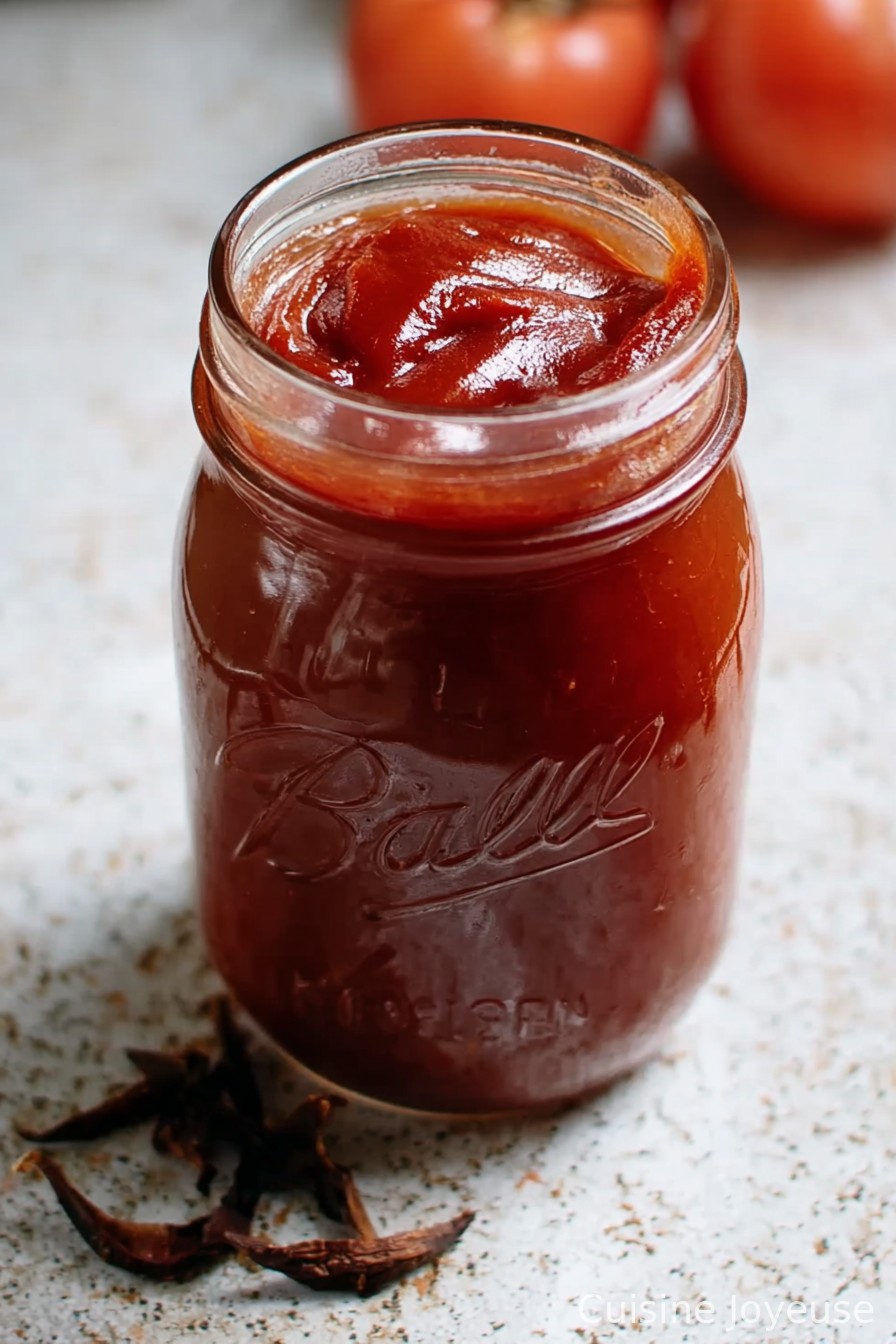
- Jars with lids (mason jars, or old jam jars if you’re rebellious)
- Canning rack & canner—or like I said, a big pasta pot with a tea towel on the bottom actually works if you’re stuck
How to Store It (Not That It Lasts…)
This ketchup will technically keep in a cool pantry for up to a year, maybe a bit more. But in practice? It’s gone within a month in my house. Maybe two days if the cousins visit. Once opened, keep it in the fridge and use within a few weeks (if you can resist sneaking spoonfuls straight from the jar at midnight, which is a real hazard, trust me).
How We Serve It
We put this on everything from oven fries and meatloaf to the favorite—grilled cheese dipped straight in. I know, controversial! My brother swears by mixing it with mayo for “secret sauce”—it’s good, try it.
Pro Tips (aka Learn From My Mistakes)
- Don’t rush the simmer time—one time I did and ended up with sad, watery tomato juice. Not ketchup. Not great.
- Always sterilize those jars. I skipped this step once, felt lucky… and then regretted it because some jars fizzed. Not ideal.
- If you’re prone to messes, wear an apron (or at least avoid that favorite shirt with the ketchup stains already on it).
FAQ – Real Questions People (Actually) Ask Me
- Is this really like Heinz?
- Pretty darn close! Some days, I can’t even tell (especially after it sits a day or two—it sort of ‘mellows’ and gets that familiar flavor).
- Can I use canned tomatoes instead of fresh?
- Yep! About three 28-ounce cans will do the trick. Drain ’em a bit, though, or it’ll be super watery, and you’ll be simmering forever.
- Do I have to can it?
- Nope! You can keep it in the fridge for 3-4 weeks, or freeze it (ever had frozen ketchup? Actually, not bad, but a little weird to spread).
- I don’t have a blender—what now?
- Honestly, a potato masher works if you’ve got patience and don’t mind a chunkier ketchup…it’ll still taste great.
- It’s too tangy for me, what should I do?
- Add extra sugar and cook for a bit longer next time. Or just dunk everything in more fries. Fixes most problems!
Oh, last thing—the cats refuse to touch it, but the dog once stole a whole jar. So I’m pretty sure it’s a crowd-pleaser. Good luck, and remember, no ketchup judgment here!
Ingredients
- 10 lbs ripe tomatoes (Roma is ideal, but any kind works—even those random ones from the back of the fridge, but maybe skip the fuzzy ones…)
- 2 large yellow onions, chopped (I switch to red onions sometimes—gives it a punchier bite!)
- 1½ cups apple cider vinegar (White vinegar if you’re fresh out. My mom swears by Bragg’s but, honestly, any old brand does fine)
- 1½ cups granulated sugar (Or sub in brown sugar, tastes a bit deeper)
- ¼ cup tomato paste (Honestly, you can skip this if your tomatoes are super intense, but I usually toss it in for that classic color)
- 1 tablespoon salt (kosher or whatever lives in your cupboard)
- ¾ teaspoon ground cinnamon
- ½ teaspoon ground allspice (Sometimes I use Jamaican allspice berries, but ground is just easier)
- ½ teaspoon ground cloves
- ½ teaspoon ground black pepper
- 1 teaspoon garlic powder (Or two fresh cloves, minced—depends how much you feel like chopping)
- 1 bay leaf
Instructions
-
1Prep the Tomatoes: Wash the tomatoes and chop roughly. I usually don’t bother peeling them, but if you’re feeling fancy, you can. Throw them all in a big ol’ pot with the onions. Bring to a nice bubbly simmer; cook 30-40 minutes. It gets kind of soupy—that’s normal.
-
2Blend it Up: Fish out the bay leaf if you tossed it in early (if not, don’t panic, just remember it later). Use an immersion blender right in the pot. Or, if you’re like me and own an ancient blender, carefully ladle and whiz it in batches. Aim for as smooth as you like—some folks strain it here for extra silkiness, but I skip that if I’m in a hurry.
-
3Simmer & Reduce: Pour it all back (if you blended separately), then add sugar, vinegar, salt, tomato paste, cinnamon, allspice, cloves, black pepper, garlic powder, and the bay leaf if you didn’t before. Give a good stir. Bring to a simmer. Now, this is the stage where patience matters—it can take 1½ to 2 hours to reduce. Stir often, or you’ll get splatters (ask my white t-shirt why).
-
4Taste and Adjust: This is where I sneak a taste—if you want it sweeter, add a little more sugar; too tangy, a touch more salt. Honestly, it’s super flexible. And if it’s too thick, add a splash of water.
-
5Remove the Bay Leaf & Can: Once it’s reached ketchup-thickness (think, run a spoon through it and it takes a moment to fill in), fish out that bay leaf! Ladle hot ketchup into sterilized jars, leaving about ½ inch at the top. Wipe the rims (this bit is fussy but worth it—I’ve had jars not seal because of drips), screw on lids.
-
6Process the Jars: Use a water bath canner, process 15 minutes for half-pints or pints. If you don’t have a canner, a giant pasta pot with a rack in it works. Remove, let cool, and try not to tap the jars a zillion times like I do.
Approximate Information for One Serving
Nutrition Disclaimers
Number of total servings shown is approximate. Actual number of servings will depend on your preferred portion sizes.
Nutritional values shown are general guidelines and reflect information for 1 serving using the ingredients listed, not including any optional ingredients. Actual macros may vary slightly depending on specific brands and types of ingredients used.
To determine the weight of one serving, prepare the recipe as instructed. Weigh the finished recipe, then divide the weight of the finished recipe (not including the weight of the container the food is in) by the desired number of servings. Result will be the weight of one serving.
Did you make this recipe?
Please consider Pinning it!