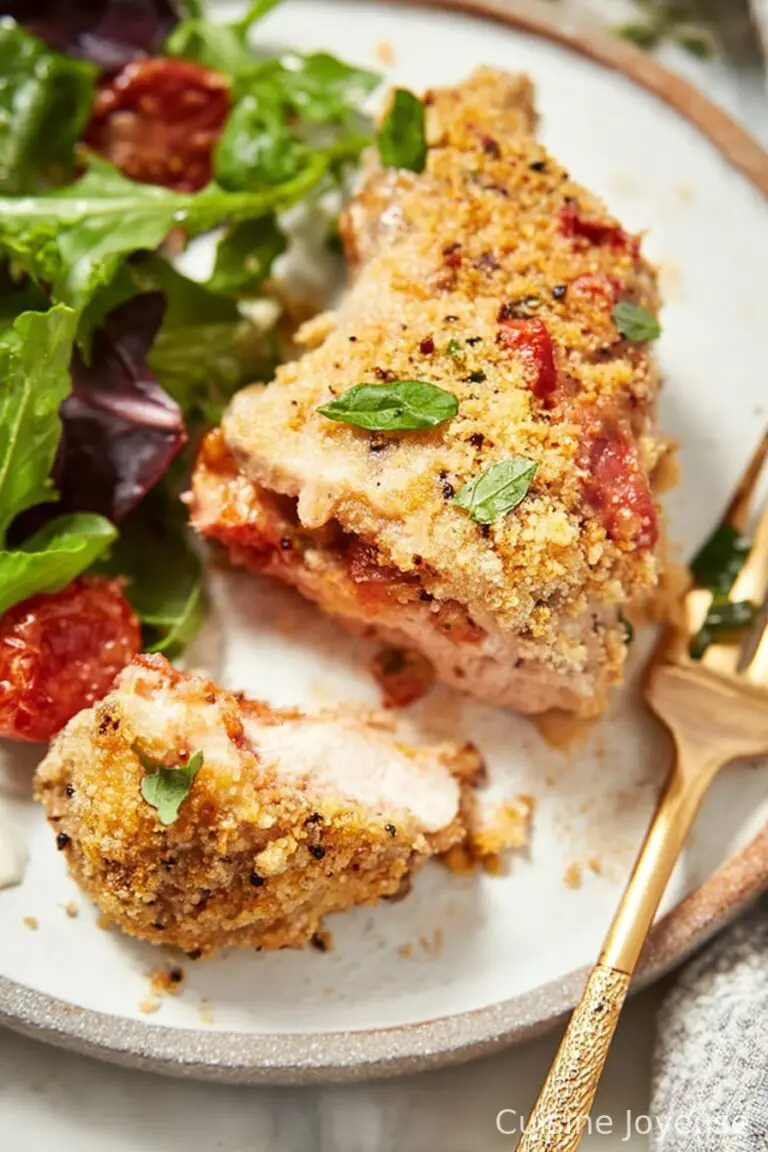
Baked Honey Mustard Chicken
Let Me Tell You About Baked Honey Mustard Chicken…
Listen, if you’ve ever had one of those wildly chaotic Tuesday nights where the sink is full of mystery dishes and the laundry is secretly plotting against you in the next room, this Baked Honey Mustard Chicken is exactly the kind of life raft you need. Funny thing, the first time I cooked it, I dropped a spoonful of mustard right on my sock. Didn’t even care—the house smelled so good that evening, everyone wandered in asking what I was up to. Even the cat, who usually couldn’t be fussed. You know those recipes that just work, no matter what mood you’re in? Yeah. This is mine. Also: don’t wear white socks when cooking with mustard, just saying…
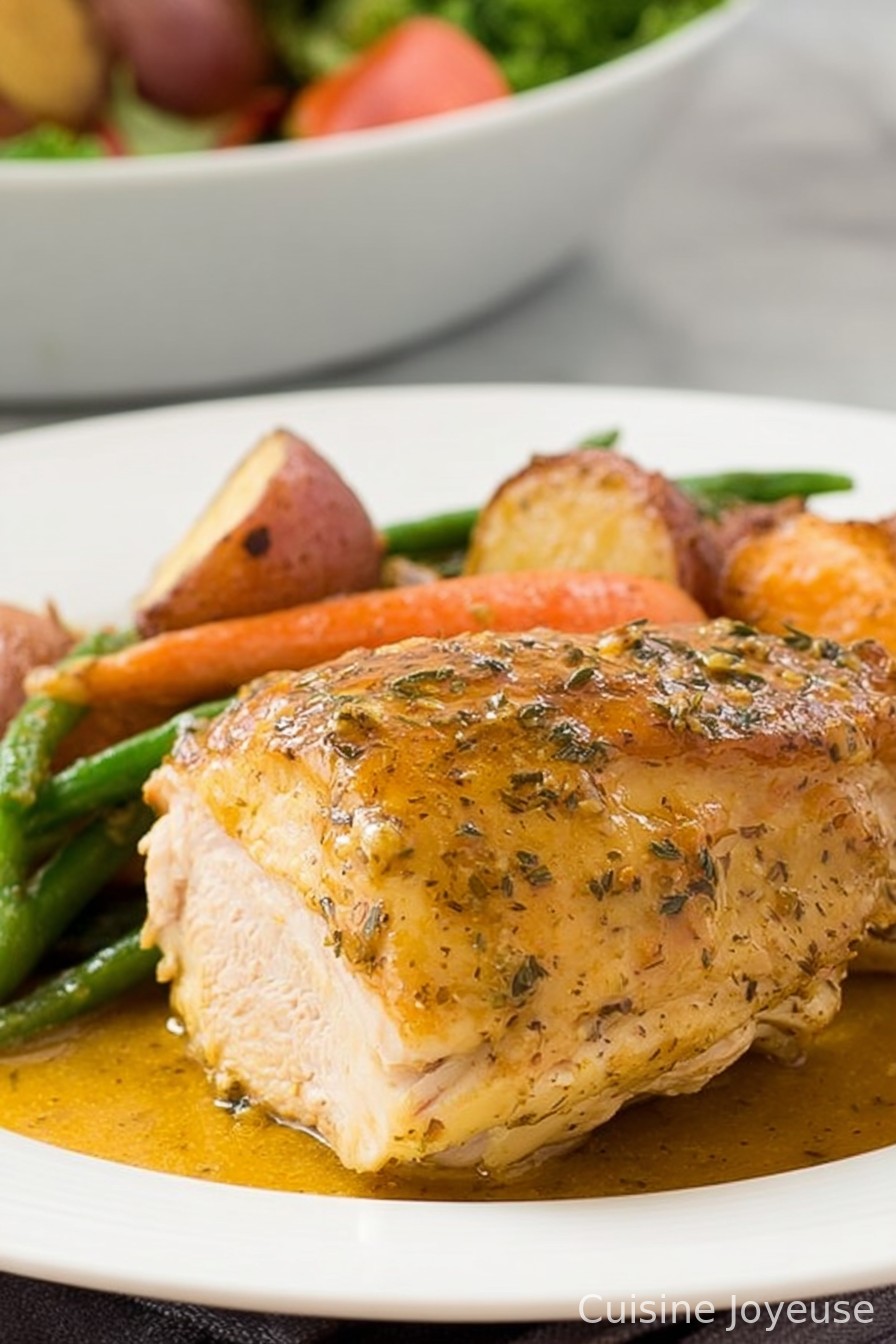
Why You’ll Love This (or Really… Why I Keep Making It!)
I make this when I’m just too tired to babysit a pan, but still want chicken that feels special. My family practically inhales it, and I’ve learned to just double the amount, or risk sibling squabbles (and cold stares). Also, it’s that sweet-tangy sauce—my youngest literally asks for it on toast. Once I ran out of Dijon and tried plain yellow—huge mistake, tasted like hot dog shop, never again! But, hey, you win some, you lose some.
What You’ll Need (And a Few Cheeky Substitutions)
- 4 boneless, skinless chicken breasts (about 700g) – Sometimes I swap in thighs if they’re on sale; honestly, sometimes they’re juicier.
- 1/3 cup Dijon mustard – I use whatever’s in the fridge, though once my grandma made a fuss about using the fancy French stuff… honestly? Not sure it matters.
- 1/4 cup wholegrain mustard – If I’m out, just add more Dijon, no one noticed.
- 1/4 cup runny honey – But I have definitely squeezed in a bit of maple syrup in a pinch, when I realized mid-pour I was out. Sugar rush, but still good.
- 2 tablespoons olive oil – Sub in melted butter if it’s chilly and I’m feeling decadent.
- 2 tablespoons apple cider vinegar – White wine vinegar works, and I tried lemon juice once. It was okay but a tad sharp for my taste.
- 3 cloves garlic, minced – Jarred garlic is fine. Who wants to peel garlic on a weeknight?
- 1 teaspoon smoked paprika – I only had regular once, still yum, less drama.
- Salt & pepper – I don’t measure, just sprinkle generously (within reason!).
- Fresh parsley, chopped, to serve – Totally optional. Or cilantro if you’re on Team Soap Leaf, I won’t judge.
How I Make It (And Yes, I Occasionally Mess This Up…)
- Preheat your oven to 200°C (about 400°F if you’re across the pond). Grease a baking dish—one big enough so the chicken’s not cramped like morning commuters.
- In a bowl, mix Dijon mustard, wholegrain mustard, honey, olive oil, apple cider vinegar, garlic, paprika, and a proper bit of salt and pepper. This is where I usually sneak a finger in for a quick taste. Saucy, eh?
- Lay your chicken out in the baking dish. If they look a little lumpy—don’t sweat it. Pour the honey-mustard mixture all over, making sure everyone gets a good dousing.
- Turn the chicken a couple times in the sauce. Gets messy. Roll up your sleeves, Aunt Linda-style. If you’re fancy, marinate for 30 minutes, but I almost never remember, and honestly it’s still great.
- Bake, uncovered, for 25–30 minutes. The sauce will get bubbly and the chicken nice and golden. (If you can be bothered, baste them with the sauce at the halfway mark—makes a difference but nobody’s policing you.)
- Poke the thickest piece; if the juices run clear and it’s not pink inside, you’re set—otherwise, give it another five. Take it out and let it rest for 5 minutes. I tend to eat rogue bits of sauce with a spoon—do what makes you happy.
- Sprinkle with parsley and serve, right in the dish. Saves on washing up, promise.
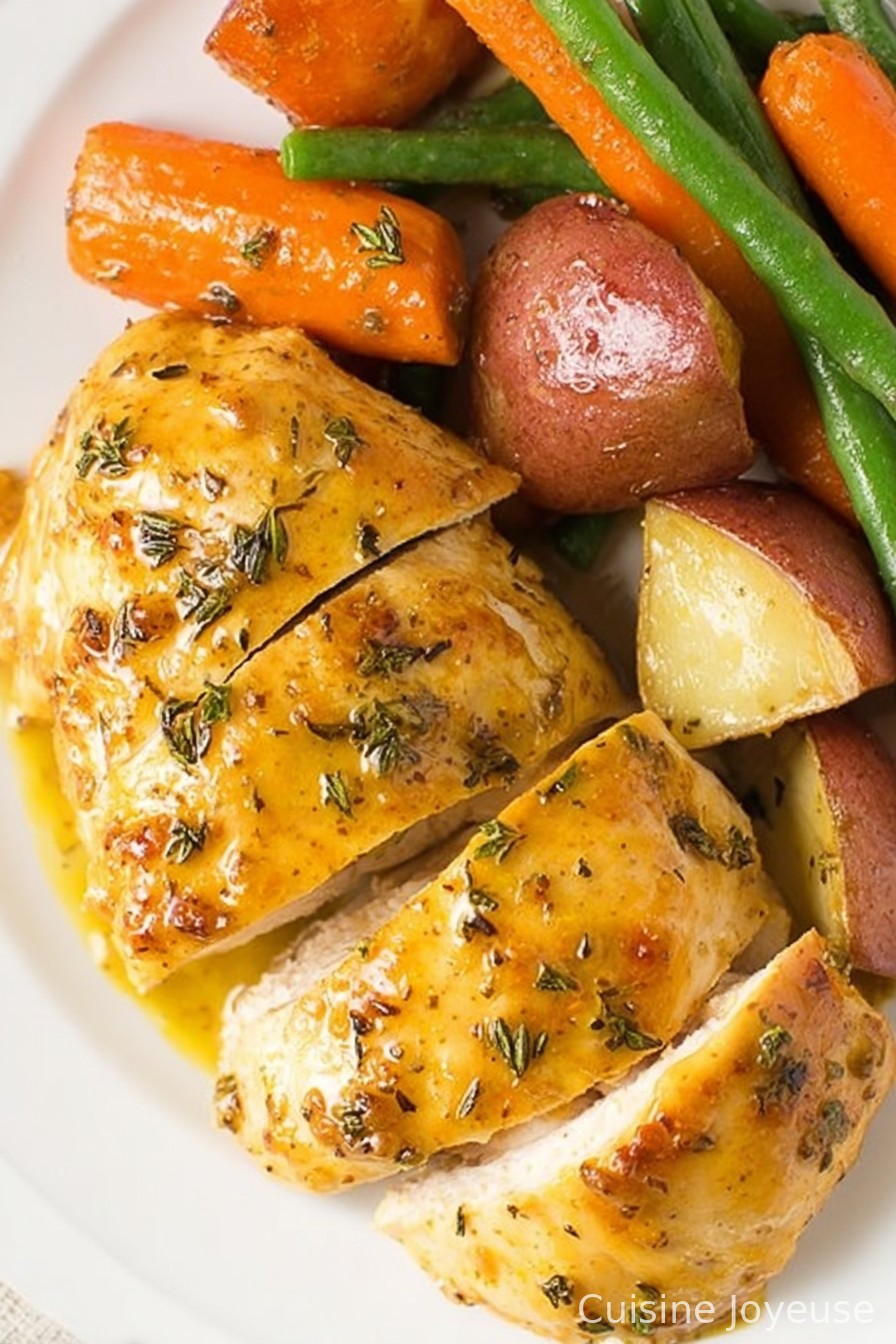
Notes from the Firing Line (AKA My Kitchen)
- If the sauce ever looks split or thin—don’t panic, it sorts itself out as it cools. Actually, letting it sit helps everything soak up the flavor.
- I thought microwaving the leftovers would kill the flavor, but they’re surprisingly lush the next day. Maybe better? I don’t know, maybe it’s just less stress.
- Tried doubling the sauce—everyone cheered, so go wild if you’re saucy like that.
Other Ways I’ve Tried It—Hits and a Miss!
- I once chucked in some sliced onions under the chicken. Really good, made it sweeter.
- Added a splash of Sriracha for spice—family was divided. Maybe stick to serving the hot sauce on the side.
- Tried baking it with panko crumbs for crunch. Looked golden, but the crumbs got soggy. I mean, edible, but wouldn’t win a beauty contest. Lesson learned.
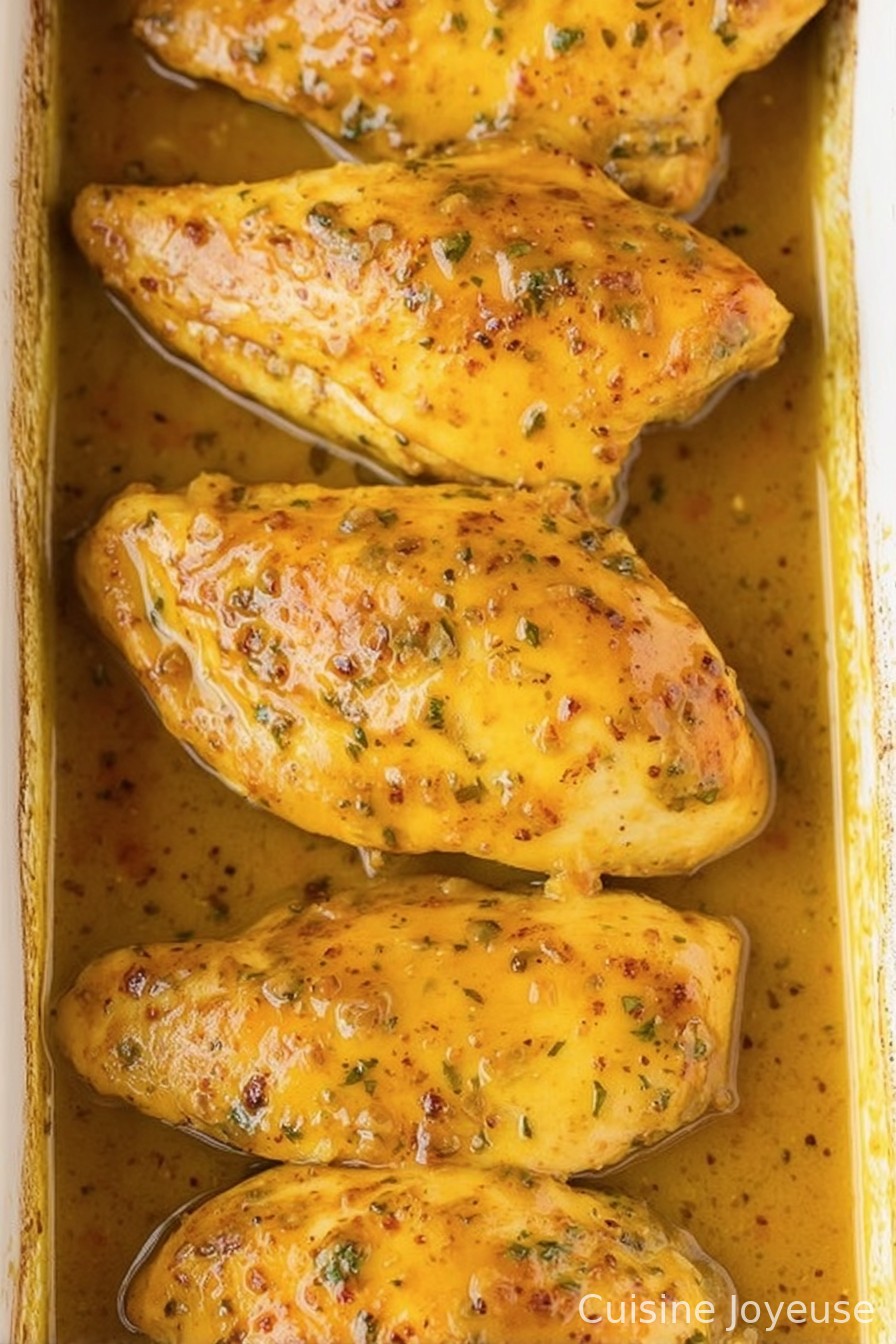
Gear I Use (Or Skip, If You Must)
- A big-ish baking dish—a roasting tray works if you don’t have one. If you only have a sheet pan, just pile the sauce on and scrunch up some foil at the sides to corral things. No stress.
- A whisk for the sauce, though a fork is fine if that’s what’s clean—you’ll get a little arm workout, too.
- Hey, if you have an instant-read thermometer, cool, but most days I just eyeball it.
How Long Does It Last? (Or, The Chicken Vanishing Act)
Technically, this keeps 3–4 days in the fridge in an airtight container. But in my house, it rarely makes it past the next lunch. If you somehow end up with leftovers, it’s crazy good sliced cold on salad, or honestly, straight from the fridge. (I’ve done it—no shame.)
How We Serve It—A Peek Around My Dinner Table
My go-to is fluffy white rice or a pile of roasted potatoes; something to soak up the sauce. The kids argue over whether peas or carrots are the proper side (carrots win every time, for the record). Sometimes we have crusty bread with it—great for sauce mop-up duty. It’s basically a free-for-all, and that’s alright.
Lessons I’ve Kind Of Learned (Pro Tips from the Trenches)
- Don’t try to cram too many chicken pieces in one dish; once I did and the edges steamed instead of baking. It was like school cafeteria chicken, yikes.
- Rushing the bake time? Don’t. I got impatient and pulled it out at 20 minutes once—the center was raw and I had to throw my dinner plans out the window. Learn from my mistakes.
- Actually, letting it rest at the end helps—don’t skip that part. If you can wait five more minutes, you’ll see what I mean.
FAQ—Burning Questions (Sometimes Literally!)
- Can I freeze Baked Honey Mustard Chicken?
Sure can! Let it cool, then freeze. I thaw overnight in the fridge, then reheat gently. It’s still good, maybe a touch drier, so extra sauce doesn’t hurt. - Can I use chicken thighs instead of breasts?
Oh yes, and honestly, they’re often juicier and less pricy. Sometimes I just use whatever’s lurking in the freezer. - What if I don’t have both kinds of mustard?
Go ahead and use all Dijon, or even a bit of plain yellow in a pinch. But as I mentioned earlier, yellow changes the vibe—think deli sandwich. Still edible! - Is it meant to be super sweet?
Not toothache sweet, more of a mellow tang. Adjust the honey if you want; I sometimes use a little less if we’re having it with sweet sides. - Can I prep this ahead?
Totally. Mix up the sauce and chicken, cover, shove it in the fridge for a couple hours or until tomorrow. Bake right before you need it. (Just add a minute or two if it’s real cold from the fridge.)
And there you have it—I think Baked Honey Mustard Chicken is one of those forgiving, smile-making dinner saviors. If you make it, let me know if your cat also comes sniffing around; maybe it’s an animal thing!
Ingredients
- 4 boneless, skinless chicken breasts (about 700g) – Sometimes I swap in thighs if they’re on sale; honestly, sometimes they’re juicier.
- 1/3 cup Dijon mustard – I use whatever’s in the fridge, though once my grandma made a fuss about using the fancy French stuff… honestly? Not sure it matters.
- 1/4 cup wholegrain mustard – If I’m out, just add more Dijon, no one noticed.
- 1/4 cup runny honey – But I have definitely squeezed in a bit of maple syrup in a pinch, when I realized mid-pour I was out. Sugar rush, but still good.
- 2 tablespoons olive oil – Sub in melted butter if it’s chilly and I’m feeling decadent.
- 2 tablespoons apple cider vinegar – White wine vinegar works, and I tried lemon juice once. It was okay but a tad sharp for my taste.
- 3 cloves garlic, minced – Jarred garlic is fine. Who wants to peel garlic on a weeknight?
- 1 teaspoon smoked paprika – I only had regular once, still yum, less drama.
- Salt & pepper – I don’t measure, just sprinkle generously (within reason!).
- Fresh parsley, chopped, to serve – Totally optional. Or cilantro if you’re on Team Soap Leaf, I won’t judge.
Instructions
-
1Preheat your oven to 200°C (about 400°F if you’re across the pond). Grease a baking dish—one big enough so the chicken’s not cramped like morning commuters.
-
2In a bowl, mix Dijon mustard, wholegrain mustard, honey, olive oil, apple cider vinegar, garlic, paprika, and a proper bit of salt and pepper. This is where I usually sneak a finger in for a quick taste. Saucy, eh?
-
3Lay your chicken out in the baking dish. If they look a little lumpy—don’t sweat it. Pour the honey-mustard mixture all over, making sure everyone gets a good dousing.
-
4Turn the chicken a couple times in the sauce. Gets messy. Roll up your sleeves, Aunt Linda-style. If you’re fancy, marinate for 30 minutes, but I almost never remember, and honestly it’s still great.
-
5Bake, uncovered, for 25–30 minutes. The sauce will get bubbly and the chicken nice and golden. (If you can be bothered, baste them with the sauce at the halfway mark—makes a difference but nobody’s policing you.)
-
6Poke the thickest piece; if the juices run clear and it’s not pink inside, you’re set—otherwise, give it another five. Take it out and let it rest for 5 minutes. I tend to eat rogue bits of sauce with a spoon—do what makes you happy.
-
7Sprinkle with parsley and serve, right in the dish. Saves on washing up, promise.
Approximate Information for One Serving
Nutrition Disclaimers
Number of total servings shown is approximate. Actual number of servings will depend on your preferred portion sizes.
Nutritional values shown are general guidelines and reflect information for 1 serving using the ingredients listed, not including any optional ingredients. Actual macros may vary slightly depending on specific brands and types of ingredients used.
To determine the weight of one serving, prepare the recipe as instructed. Weigh the finished recipe, then divide the weight of the finished recipe (not including the weight of the container the food is in) by the desired number of servings. Result will be the weight of one serving.
Did you make this recipe?
Please consider Pinning it!