Pollo Asado
Let Me Tell You About My Pollo Asado Obsession
I think my very first attempt at Pollo Asado was actually a bit of a disaster, though nobody dared say anything until years later (thanks, Dad). I basically marinated a whole chicken, forgot about it for 36 hours, then grilled it through a smoky haze while fending off mosquitoes. But you know what? Even then, that zippy, citrusy chicken got devoured. There’s just something magical (and forgiving) about this classic dish from Mexico and the Caribbean. Nowadays, I whip it up every month or so—sometimes when I crave that sunshine-on-a-plate feeling, other times just because I snagged cheap limes at the corner shop.
Why You’ll Love This (Or At Least Why I Do)
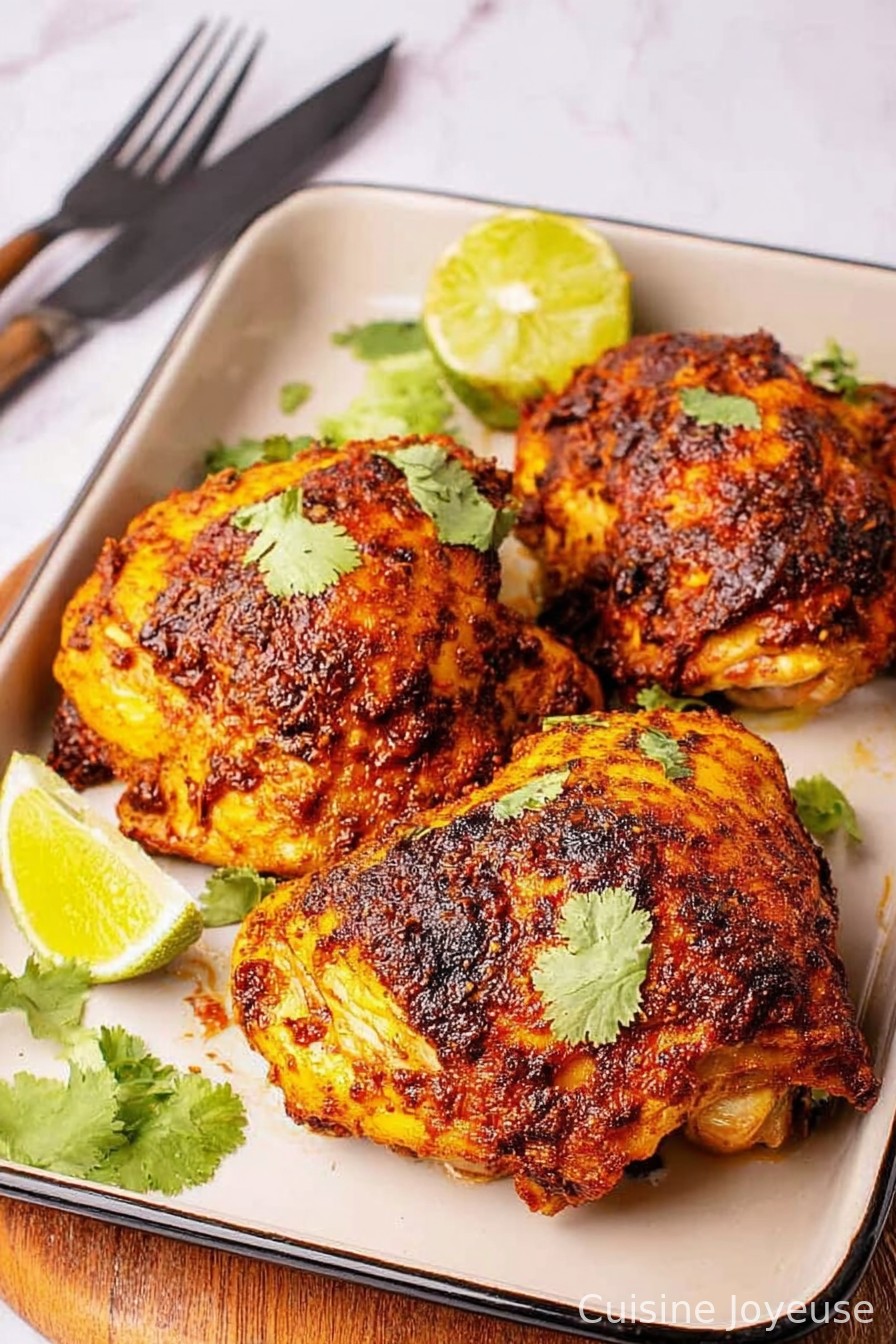
I make Pollo Asado when I want something bold but not fussy. My family goes wild for it because it’s juicy and tangy—tastes even better if you get a little char on the edges. Plus, it’s way less stressful than, say, trying to make soufflé (never again). The hardest part is remembering to marinate ahead, truth be told. Oh, pro tip: if you forget and only have an hour, it still works. Not as punchy, but decent.
What You’ll Need (& Some Cheeky Swaps)
- 2.5 lbs chicken pieces (thighs, drumsticks, breasts—whatever you’ve got; my aunt swears by skin-on but use boneless if that’s what’s in the freezer)
- 1/3 cup orange juice (bottled is fine, but fresh if you’re feeling fancy)
- 1/4 cup lime juice (sometimes I use lemon if limes are criminally expensive)
- 1/4 cup olive oil (canola or sunflower oil work fine too)
- 4 garlic cloves, minced (or, I’ll level with you: two heaping spoonfuls of the jarred stuff in a pinch)
- 1 tablespoon white vinegar (apple cider vinegar’s worked for me when I ran out)
- 1 tablespoon dried oregano (I grabbed some Italian blend once by accident, tasted pretty good!)
- 2 teaspoons ground cumin
- 1 tablespoon paprika (smoked is best, but regular if that’s all you have)
- 1 teaspoon achiote powder (this is optional, adds color; often I skip it and nobody notices)
- Salt and black pepper, to taste (a good teaspoon of each, but measure with your heart)
- 1 small onion, sliced (optional, but I add it just for kicks)
How To Make Pollo Asado (It’s More Chill Than You Think)
- Mix up the marinade: Grab a big bowl—honestly, sometimes I just use a gallon zip bag. Toss in orange juice, lime juice, olive oil, minced garlic, vinegar, oregano, cumin, paprika, achiote (if you’re using it), salt, pepper, and sliced onion. Give it a good stir or a gentle squish if you’re using the bag method. This is the part where my kitchen starts smelling like a holiday.
- Add the chicken: Plop in all your chicken pieces and make sure they get coated. Massage them a little even if it feels weird—I’m convinced it helps. Cover (or zip) and pop into the fridge for at least 2 hours, preferably overnight. Sometimes I only have 40 minutes, and it’s still tasty. Be sure to put a plate under the bag just in case—learned that the hard way.
- Preheat and get grilling (or baking, or pan-roasting): When you’re ready, take the chicken out to warm up for a bit. Fire up your grill to medium-high. If it’s raining, I bake on a rack over a sheet tray at 425°F. My neighbor even pan-fries it on the hob and just flips a lid over everything. You do you.
- Cook the chicken: Place pieces skin-side-down (if there’s skin), and let them sizzle undisturbed for about 8-10 minutes. Flip them and cook for another 10ish minutes, until they’re golden and cooked through (an instant-read thermometer should say 165°F, though sometimes I just poke the fattest bit and see if the juices run clear—don’t judge me).
- Rest and eat: Let the chicken rest for five minutes while you stare at it, drooling. This is when I steal a taste.
Notes From a Slightly Scatterbrained Cook
- I used to think you *had* to use a charcoal grill. Turns out, gas, oven, or even a stovetop skillet all make tasty pollo asado. Charcoal’s best, but not a dealbreaker.
- If your marinade looks a bit too thick, add a splash of orange juice, and it’ll loosen up. Don’t stress.
- Don’t toss leftover marinade raw onto cooked chicken, but you can simmer it to make a sauce if you’re feeling resourceful. Or just skip—less washing up.
What If You Wanna Switch It Up?
- I once tried pineapple juice instead of orange. Super sweet, but not in a good way (for me). Maybe add a bit, don’t go wild.
- Sometime’s I double up on cumin or oregano if I’m craving earthy flavors. Tastes more rustic.
- Tried using turkey breast pieces—didn’t turn out as juicy as I’d hoped.
- If you’re brave, toss in some chopped jalapeños or chipotle for heat—my brother does, and it’s pretty fiery.
Do You Need Fancy Gear?
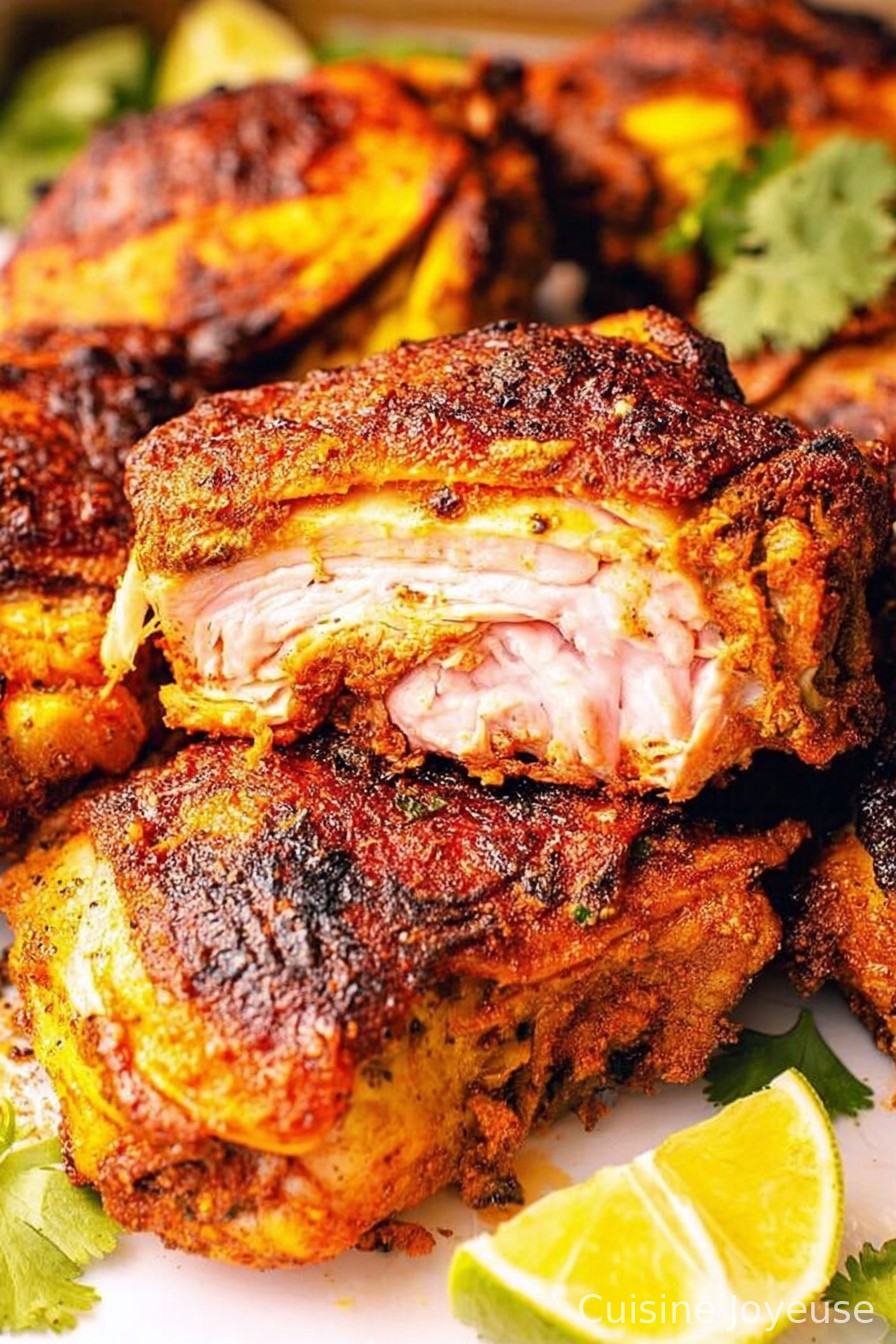
I say just go with what you have. Grill is great, but oven works. No broiler? A big skillet plus a tight lid does the trick too; I’ve resorted to a sandwich press once—it got… interestingly crispy on one side.
How to Store It, Though Honestly, It Never Lasts Here
If you somehow have leftovers, pop them in an airtight container. Fridge, up to 3 days. I think it tastes even better cold…and makes a mean chicken sandwich. Freezer? Sure, though the citrus flavor softens a bit after thawing. But, reheating does dry it out, so maybe add a splash of chicken broth.
Serving It Up, My Way
We almost always pile Pollo Asado onto warm corn tortillas, heap it with diced onion and cilantro, and maybe a wedge of lime if someone remembered to buy extra. Rice and beans on the side—classics never go out of style. Occasionally, I’ll throw together a quick cabbage slaw if I’m feeling fancy (or lazy and trying to avoid cooking more rice).
If I Could Go Back, I’d Tell Myself This…
- Don’t rush the marinade! I tried once and the flavor just didn’t get in there. Let it hang out in the fridge for as long as you can stand.
- Grill (or pan) needs to be properly preheated, or you’ll get sad, limp skin. Trust me, crispy bits are half the fun.
- Use tongs, not a fork, so you don’t lose all that lovely juice. Learned that the soggy way, ha.
Questions I Actually Get (And My Real Answers)
- Can I marinate for less time? Yep, you can—in a pinch even 30 minutes works, but it’s definitely not as zingy. Overnight makes it sing.
- Do I have to use achiote powder? Nah, it’s mostly for that pretty color. Sometimes I forget it and no one’s the wiser.
- What if I forget to flip the chicken halfway? It’ll probably be a little extra charred on one side, but that’s what I call “artisan.” Or, just eat that one yourself and don’t tell anyone.
- How spicy is this? Not at all, unless you add peppers. Totally family-friendly—I sometimes sneak in extra chili powder for myself though.
- Can I use boneless skinless chicken breasts? Sure, but be careful not to overcook. They dry out fast. I’d say check them about five minutes sooner than thighs, just to be safe.
We talk a lot about chicken around here, probably more than is really necessary in polite company, but at the end of the day, Pollo Asado is the dish I come back to again and again, because even when I mess something up, it’s still good. Give it a shot and let me know if you come up with a tweak I should try; I’m always open to culinary experiments, except maybe the time someone tried Dr Pepper in the marinade—never again.
Ingredients
- 2.5 lbs chicken pieces (thighs, drumsticks, breasts—whatever you’ve got; my aunt swears by skin-on but use boneless if that’s what’s in the freezer)
- 1/3 cup orange juice (bottled is fine, but fresh if you’re feeling fancy)
- 1/4 cup lime juice (sometimes I use lemon if limes are criminally expensive)
- 1/4 cup olive oil (canola or sunflower oil work fine too)
- 4 garlic cloves, minced (or, I’ll level with you: two heaping spoonfuls of the jarred stuff in a pinch)
- 1 tablespoon white vinegar (apple cider vinegar’s worked for me when I ran out)
- 1 tablespoon dried oregano (I grabbed some Italian blend once by accident, tasted pretty good!)
- 2 teaspoons ground cumin
- 1 tablespoon paprika (smoked is best, but regular if that’s all you have)
- 1 teaspoon achiote powder (this is optional, adds color; often I skip it and nobody notices)
- Salt and black pepper, to taste (a good teaspoon of each, but measure with your heart)
- 1 small onion, sliced (optional, but I add it just for kicks)
Instructions
-
1Mix up the marinade: Grab a big bowl—honestly, sometimes I just use a gallon zip bag. Toss in orange juice, lime juice, olive oil, minced garlic, vinegar, oregano, cumin, paprika, achiote (if you’re using it), salt, pepper, and sliced onion. Give it a good stir or a gentle squish if you’re using the bag method. This is the part where my kitchen starts smelling like a holiday.
-
2Add the chicken: Plop in all your chicken pieces and make sure they get coated. Massage them a little even if it feels weird—I’m convinced it helps. Cover (or zip) and pop into the fridge for at least 2 hours, preferably overnight. Sometimes I only have 40 minutes, and it’s still tasty. Be sure to put a plate under the bag just in case—learned that the hard way.
-
3Preheat and get grilling (or baking, or pan-roasting): When you’re ready, take the chicken out to warm up for a bit. Fire up your grill to medium-high. If it’s raining, I bake on a rack over a sheet tray at 425°F. My neighbor even pan-fries it on the hob and just flips a lid over everything. You do you.
-
4Cook the chicken: Place pieces skin-side-down (if there’s skin), and let them sizzle undisturbed for about 8-10 minutes. Flip them and cook for another 10ish minutes, until they’re golden and cooked through (an instant-read thermometer should say 165°F, though sometimes I just poke the fattest bit and see if the juices run clear—don’t judge me).
-
5Rest and eat: Let the chicken rest for five minutes while you stare at it, drooling. This is when I steal a taste.
Approximate Information for One Serving
Nutrition Disclaimers
Number of total servings shown is approximate. Actual number of servings will depend on your preferred portion sizes.
Nutritional values shown are general guidelines and reflect information for 1 serving using the ingredients listed, not including any optional ingredients. Actual macros may vary slightly depending on specific brands and types of ingredients used.
To determine the weight of one serving, prepare the recipe as instructed. Weigh the finished recipe, then divide the weight of the finished recipe (not including the weight of the container the food is in) by the desired number of servings. Result will be the weight of one serving.
Did you make this recipe?
Please consider Pinning it!