New Orleans Style Beignets
Let Me Tell You About These New Orleans Style Beignets…
Okay, first of all, you need to know that the first time I tried making New Orleans style beignets at home, I somehow managed to douse both me and my cat in a snowstorm of powdered sugar. Every surface gleamed—for about a week. (Not gonna lie, it’s kinda worth the extra sweeping when you bite into one of these fluffy, pillowy squares fresh outta the oil.) To me, beignets just scream lazy brunches and that tiny thrill you get when you realize you can, actually, fry dough at home without burning the place down.
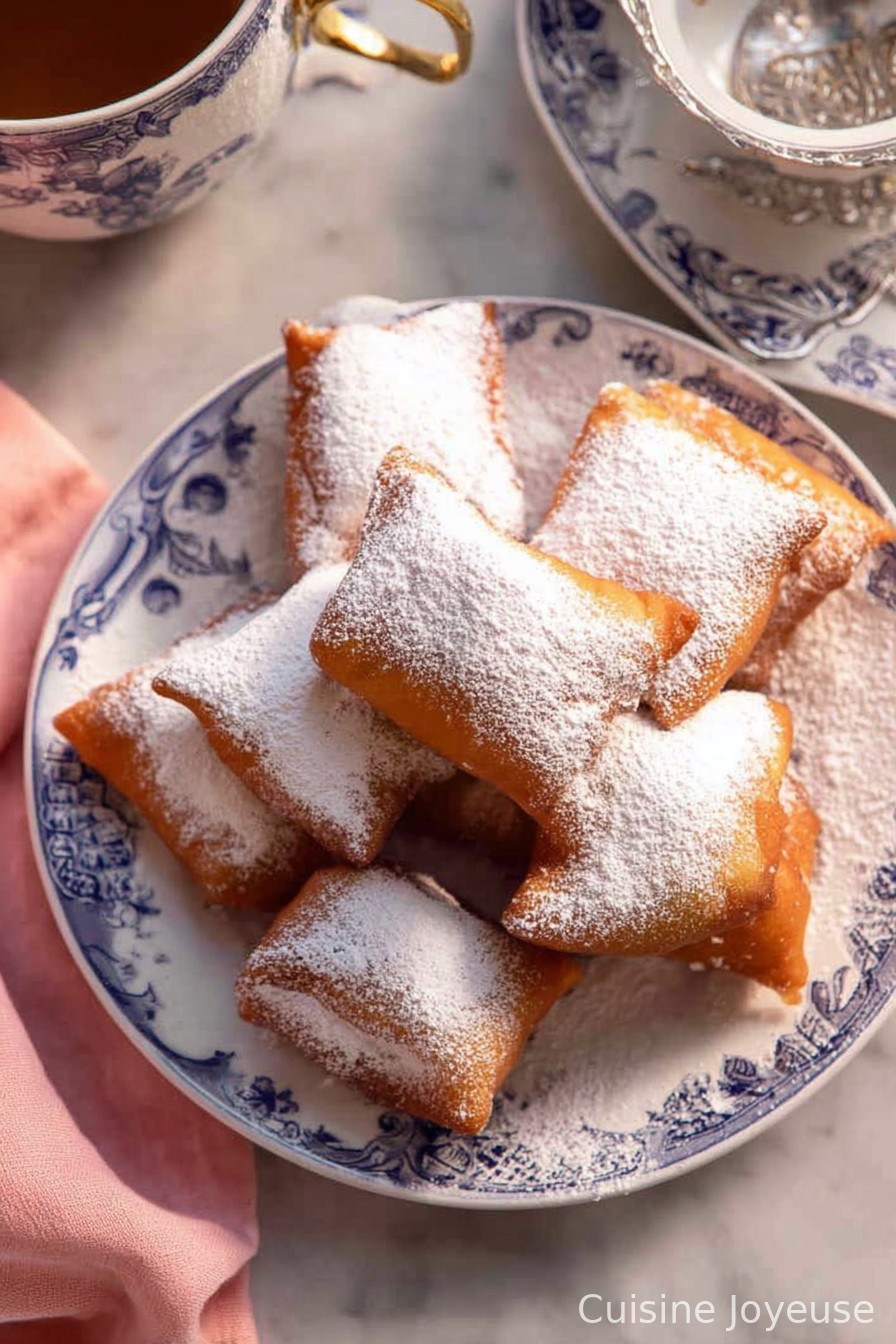
I once had these beignets in a nearly empty kitchen with the window open, jazz music comin’ through—sure, it wasn’t the French Quarter, but it sure felt like it in that moment. And hey, if you’re looking for a recipe that makes your kitchen smell like sweet, fried heaven? You’re in the right spot, friend.
Why You’ll Love This Beignet Shenanigan
I make these beignets when I’m missing my best friend from college (who was obsessed and always tried to convince me they’re just elegant donuts—which, actually, she’s kinda right). My family goes crazy for these especially when it’s raining outside and, honestly, nothing else sounds as good. Don’t get me wrong, the dough is a bit sticky (I won’t sugarcoat it—oops, sorry), and I used to always get a little huffy about the mess, but that first bite? Worth every bit of cleaning up, promise.
One time I let them sit a little too long before frying and, uh, they got impressively puffy—gave us beignet sandwich vibes. So, you never know; sometimes mistakes are better than the real thing!
Stuff You’ll Need (and a Few Swaps…)
- 2 1/4 tsp (one packet) active dry yeast – but rapid-rise will do if that’s what you got, just keep an eye on rise times!
- 1/4 cup warm water (kinda like bathwater, but don’t stick your toe in it, please)
- 2/3 cup evaporated milk – or, y’know, use regular milk in a pinch; I’ve done it
- 1/4 cup sugar (sometimes I do a lil’ more if I’m feeling extra sweet)
- 1 egg (mine always seems to roll off the counter, so watch out)
- 3 1/2 cups all-purpose flour—Grandma always insisted on Gold Medal, but honestly, the store brand works, too
- 1/2 teaspoon salt, give or take a bit
- 2 tablespoons unsalted butter, melted (I once used margarine… was not a disaster)
- Enough vegetable oil for frying—probably about 2 inches in the pot, but I’m not measuring it that closely, honestly
- Piles of powdered sugar – and you really do need more than you think
How I Actually Make ‘Em (Sometimes with a Little Chaos)
- Warm up your water and sprinkle in the yeast. I usually stare at it for a minute, willing it to look “foamy” (sometimes it takes longer than you think; patience, grasshopper).
- In a big bowl, toss together sugar, milk, egg, melted butter, and salt. Now, add in your (hopefully foamy) yeast water. Mix it up, then start adding flour a cup at a time—this is where things get sticky. I use a wooden spoon, but once I just used my hands and, well, good luck washing that off.
- Keep stirring until it forms a dough. If it looks a bit weird, that’s normal at this stage. Cover it (I use a barely-clean kitchen towel), and let it rise for 1-2 hours until it about doubles.
- Punch that dough down—yep, I mean actually punch it. Feels good, right? Plop it onto a floured surface and roll it out until it’s about 1/4 inch thick (but, honestly, mine ends up a little chubby sometimes).
- Cut into squares—roughly 2-3 inches per side. But if you get triangles or lopsided shapes… hey, beignet is beignet.
- Heat up your oil in a deep pot or Dutch oven to about 350°F. Or 180°C, if you’re feeling fancy. No thermometer? Just stick the end of a wooden spoon in—if it sizzles, you’re in business.
- Drop in a few beignets at a time, don’t overcrowd (they need space to dance). Fry for about 30-60 seconds per side; flip ’em when they’re beautifully golden. This is where I sneak a taste—hot, but so good.
- Drain on paper towels, then absolutely smother in powdered sugar. If you don’t make a mess, you did it wrong.
Notes: My Beignet Adventure Logs
- I’ve tried skipping the first rise to save time—it made very dense beignets, but in a “good chew” sort of way.
- Letting the dough chill overnight in the fridge seems to make shaping easier, but don’t ask me about the time I forgot it for 3 days…
- Powdered sugar is finicky—sometimes it clumps if it’s humid, so a quick sift does wonders (even though I always hope it won’t be a problem, but it usually is).
Things I’ve Tried that (Mostly) Worked
- Filled with chocolate—delicious, if slightly illegal (kidding, but wow good).
- Tried with cinnamon sugar instead of powdered: actually, pretty nice, but my uncle was scandalized.
- I once attempted to bake them instead of frying. Uh. Just don’t. They turn out like confused dinner rolls. Live and learn!
- Lemon zest in the dough—brightens the whole thing up if you want a twist.

Don’t Have a Deep Fryer? No Big Deal
If you don’t own a deep fryer (I don’t), a heavy pot works just as well. Cast iron is ace, but I’ve used an ordinary soup pot and survived just fine. Worst case, use a high-sided skillet—just watch the splatter (and wear an old t-shirt, trust me).
Will These Even Last Long Enough to Store?
Beignets are best eaten fresh… though honestly, in my house they hardly make it to the next morning. If you do have leftovers, wrap ‘em up in foil or stick them in an airtight container. They go a little chewy, but nothing a quick zap in the microwave won’t fix. I think they taste better the next day, but maybe that’s just my weird late-night craving talking.
Serving (A.K.A. When to Go Wild with Powdered Sugar)
The only wrong way to serve beignets is to skimp on the sugar. We pile it on til it looks like a snow drift. My cousin likes to dunk hers in hot café au lait—even when it’s blazing hot outside, go figure. Sometimes we do a little Nutella on the side, which is… just try it once, you’ll see.
Little Nuggets of Wisdom (a.k.a. My Totally Non-Professional Pro Tips)
- Don’t rush the rising! I once got impatient and cranked the heat near my bowl, but the yeast did not appreciate it. Flat beignets. Lesson learned.
- Cutting the dough too thick leads to doughy centers (unless you’re into that, in which case—go nuts).
- Keep an eye on the oil temp! Too hot and the beignets are brown outside, raw in the middle; too cool and they soak up oil. Err on the side of caution, honestly.
Questions Friends Have Asked Me (and My Rambling Answers)
“Can I freeze the dough?”
Yup, you totally can—freeze after the first rise. I forget about mine all the time though so label it. Defrost in the fridge overnight; might need a bit more rise time.
“What if they’re not puffing up?”
This is usually old yeast being a party pooper. Or maybe the oil isn’t hot enough. Actually, sometimes it’s both; try a fresh packet next time and heat check.
“Do these work gluten-free?”
Mmmm, sorta. I tried with a 1:1 blend and they tasted fine, but were definitely denser. If you find a better way, let me know!
“Do I really need a thermometer?”
Nah, but it’s handy. Otherwise, that wooden spoon trick is my go-to. Not perfect, but gets you close enough for beignets at home.
Also, remember when I said you can’t bake them? If you find out otherwise, send word. I’m genuinely curious (and would love not to mop up oil for once!).
And, uh, if you end up tracking powdered sugar down the hall, that just means you did it right. Enjoy, darlin’!
Ingredients
- 2 1/4 teaspoons active dry yeast
- 3/4 cup warm water (about 110°F/43°C)
- 1/4 cup granulated sugar
- 1/2 cup whole milk, at room temperature
- 1 large egg
- 3 1/2 cups all-purpose flour, plus extra for dusting
- 1/2 teaspoon salt
- 3 tablespoons unsalted butter, melted
- Vegetable oil, for frying
- Powdered sugar, for dusting
Instructions
-
1In a large bowl, dissolve the yeast in warm water with a pinch of sugar. Let it sit until foamy, about 5 minutes.
-
2Whisk in the remaining sugar, milk, egg, salt, and melted butter. Gradually add flour, mixing until a soft dough forms.
-
3Transfer the dough to a floured surface and knead until smooth, about 5 minutes. Place dough in a greased bowl, cover, and let rise until doubled in size, about 1–1.5 hours.
-
4Punch down the dough and roll it out to 1/4 inch thickness. Cut into 2-inch squares.
-
5Heat vegetable oil to 350°F (175°C) in a deep fryer or large pot. Fry beignets in batches until golden brown, about 1–2 minutes per side.
-
6Drain beignets on paper towels and dust generously with powdered sugar before serving.
Approximate Information for One Serving
Nutrition Disclaimers
Number of total servings shown is approximate. Actual number of servings will depend on your preferred portion sizes.
Nutritional values shown are general guidelines and reflect information for 1 serving using the ingredients listed, not including any optional ingredients. Actual macros may vary slightly depending on specific brands and types of ingredients used.
To determine the weight of one serving, prepare the recipe as instructed. Weigh the finished recipe, then divide the weight of the finished recipe (not including the weight of the container the food is in) by the desired number of servings. Result will be the weight of one serving.
Did you make this recipe?
Please consider Pinning it!!