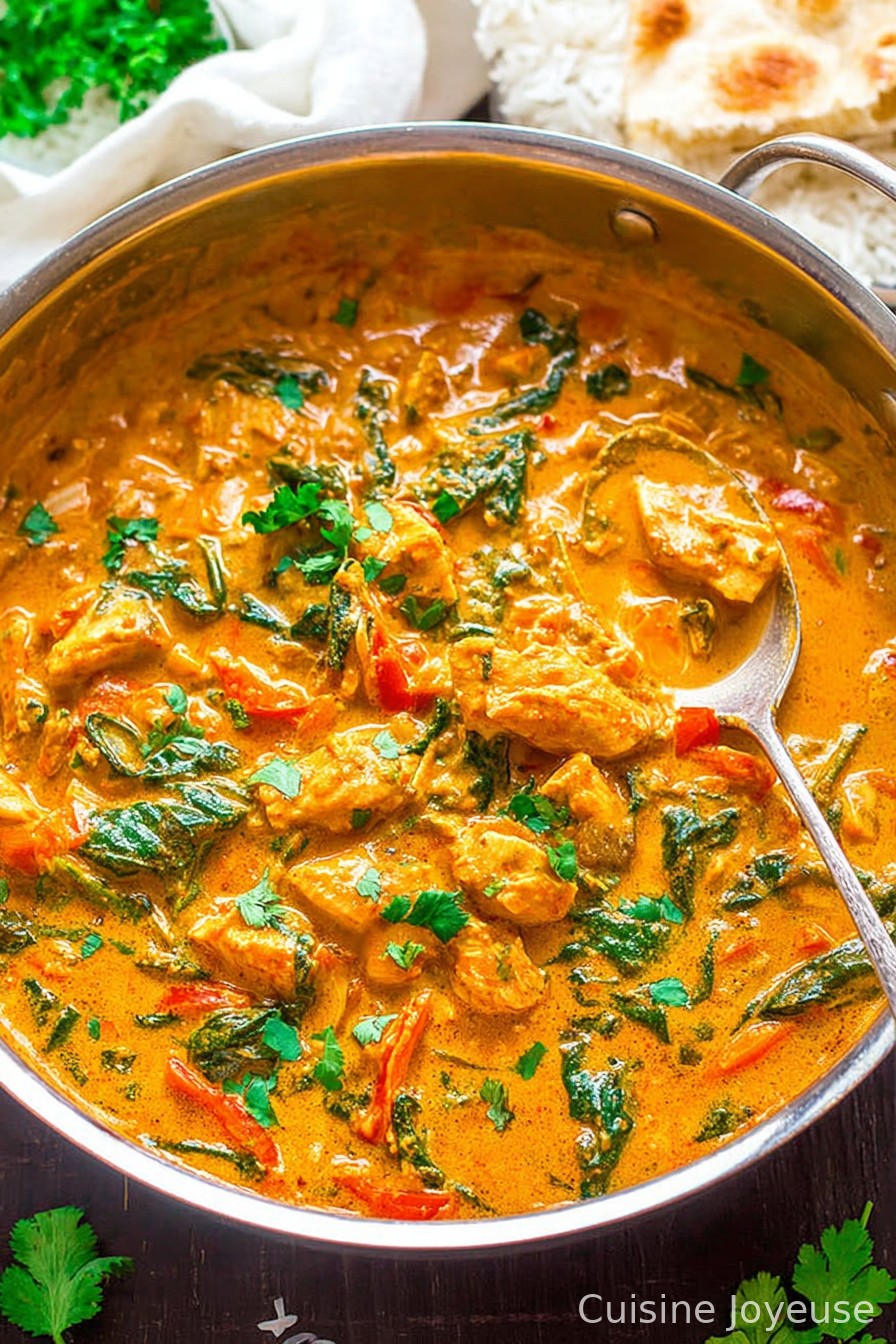
Thai Chicken Coconut Curry
So, Thai Chicken Coconut Curry… Have You Tried This Yet?
Let me just confess — there was a period where I made Thai Chicken Coconut Curry every week, sometimes twice. Blame a trip to Bangkok ages ago, blame the rainy weather here in the UK, or maybe it’s just the way coconut milk makes the whole house smell like a cozy hug. Anyway, my first batch was way too soupy and my friend Kate almost set her mouth on fire because I misjudged the chilies (rookie error). But we still ate every last spoonful and laughed ourselves silly. Got to love food that brings people together — however messy the journey.
Why You’ll Love This (In My Experience, Anyway)
I make this when I want dinner to feel special, without lots of faff. My family goes a little bonkers for the way the chicken turns melt-in-your-mouth tender (except my youngest, who picks out every bit of coriander — sigh). Honestly, it’s great for those nights where you need some warming up, or just had one of those days where the only thing left in the fridge is a stray carrot, half a lime, and your “too spicy” chili paste from last Christmas. And yes, I’ve ruined a white t-shirt or two with turmeric splashes. (Don’t get me started on laundry tips, though…)
What You’ll Need (Swaps & Surprises)
- Chicken thighs (I use boneless, skinless, about 500g. But chicken breast works — it’s just not as juicy.)
- Coconut milk (Full-fat is better, but I’ve totally subbed in light coconut milk if that’s what’s left. Not quite as creamy, still tasty.)
- Thai red curry paste (For the record, I usually use store-bought. My gran says make it from scratch, which — nope, never happens after work.)
- Onion (One, chopped. White, brown, whatever’s lurking in the cupboard.)
- Garlic (Three cloves, smashed. Or one giant one if, like me, you sometimes mix up sizes.)
- Ginger (About a thumb-size piece, grated. Or, confession, I’ve used the jar stuff in a pinch.)
- Bell pepper (Any color. Actually, add two if you want — I’ve used carrots as a swap before. No complaints.)
- Fish sauce (A good splash. Soy sauce works too, for my veggie friend who calls fish sauce ‘smelly trouble’.)
- Lime (Half, squeezed at the end. Or lemon’s fine if that’s all you have.)
- Coriander/cilantro (Handful, chopped. Totally optional, but I think it looks cheerful.)
- Jasmine rice (To serve. Sometimes I cheat and use those microwave pouches, don’t judge!)
Cooking Instructions — Here’s How I Bungle Through It
- Chop the chicken into bite-size bits. I just do this straight onto a wooden board. If you get distracted here — trust me, it’s much harder to chase slippery pieces into the pan later.
- Fry the aromatics: Get a big pan or wok on medium heat, glug in a splash of oil (olive, sunflower, whatever’s handy), then toss in the onion, garlic, and ginger. Stir for 2-3 minutes ‘til things get fragrant, or your dog starts sniffing around. (This is where I usually sneak a taste — onions at this stage are secretly delicious!)
- Add curry paste: Plonk in about 2-3 tablespoons of the curry paste (go easy the first time — you can always add more). Fry it off for a minute. Don’t freak out if it clumps. Actually, I find it works better if you smoosh it around in the oil first.
- Throw in the chicken. Stir it well so the pieces get a nice reddish coat. Cook for about 4-5 minutes. Don’t worry if they’re not cooked through yet — it all simmers together later.
- Bell pepper joins the party. Add the sliced peppers (or carrot, or whatever odd veg you found). Give everything a good tumble.
- Coconut milk time: Pour in the whole can, scraping out every creamy bit. Stir, and watch the color swirl — truly one of life’s little joys.
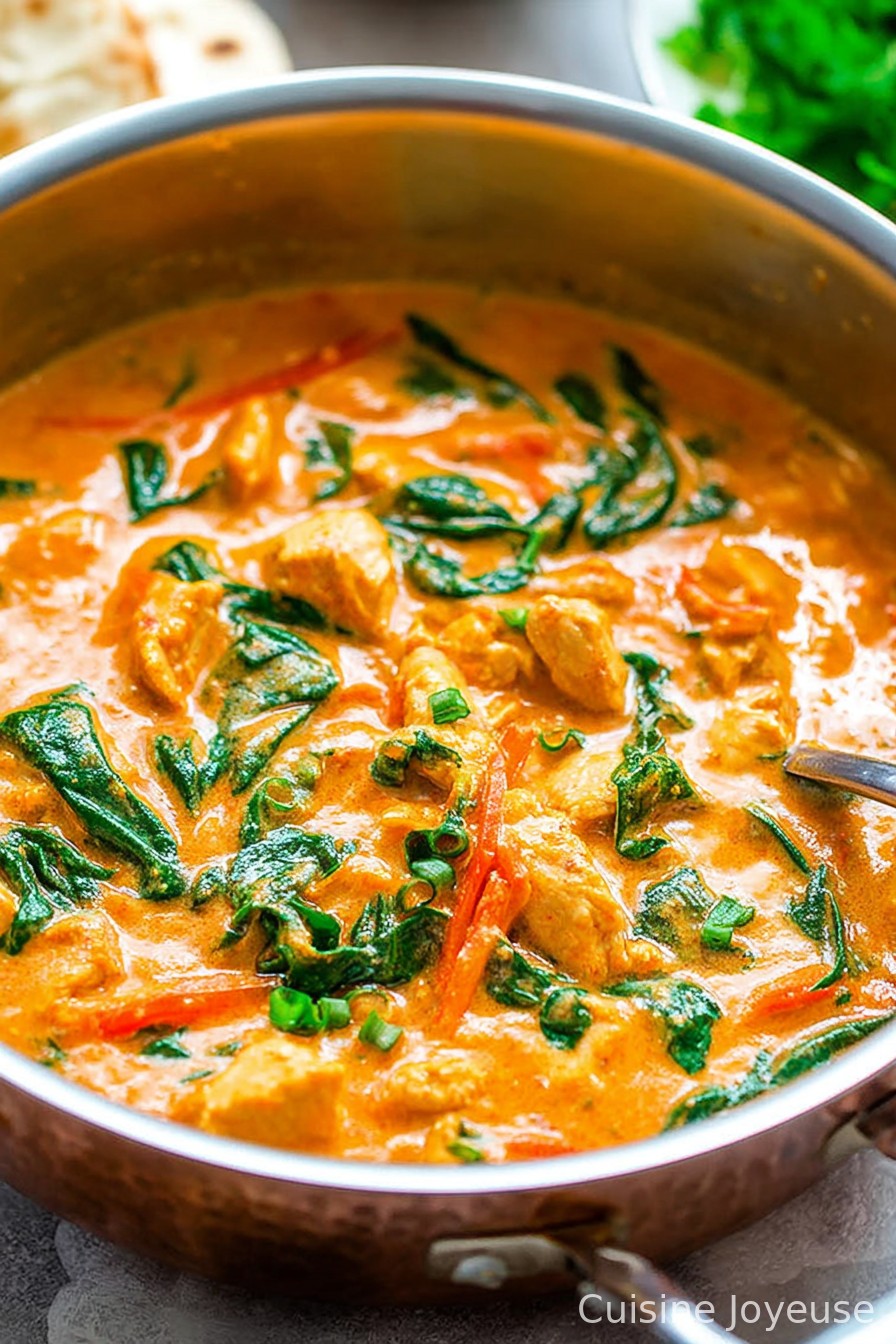
- Season with fish sauce, maybe a teaspoon or two (or soy sauce if you’re going veggie), and a bit of salt. Let the whole lot simmer gently for about 15 minutes; you can kinda forget about it for a bit (but don’t wander off entirely — it can catch at the bottom).
- Squeeze in lime and sprinkle coriander at the end. Turn off the heat. Give it one last stir and, if you’re me, a hesitant taste test to see if it’s ‘just right’ or needs more oomph.
- Serve over hot rice. Or cold rice, actually, if you forgot to start the rice cooker on time. Happens to the best of us!
Actual Notes That Might Help (Mostly My Mistakes)
- This gets even better the next day — the flavors kind of…meld? Is that a word? Anyway, leftovers rule.
- If it looks oily, just skim a little off with a spoon. Don’t worry, it’s normal, especially with dark meat (blame the chicken, not yourself).
- Some curry pastes are way hotter than others. I once made it in Ireland and nobody could eat it. Now I always test a bit in hot water — rookie move, but it saves the day.
- If the sauce’s too thin, simmer it longer, lid off. Or if it’s too thick, splash in some water or stock.
If You Fancy Tweaking It…
- I swapped in tofu instead of chicken and it was… fine? Not my favorite but definitely edible. Tofu soaks up the sauce but lacks that cozy, hearty bite (just my opinion though!)
- Green curry paste instead of red turns it into a whole different deal — still tasty, a bit fresher but less ‘comfort food’ to me.
- I did try adding pineapple after seeing it on Instagram. I’m sorry, but next time I’ll just eat the pineapple on the side.
What If You Don’t Have All the Gear?
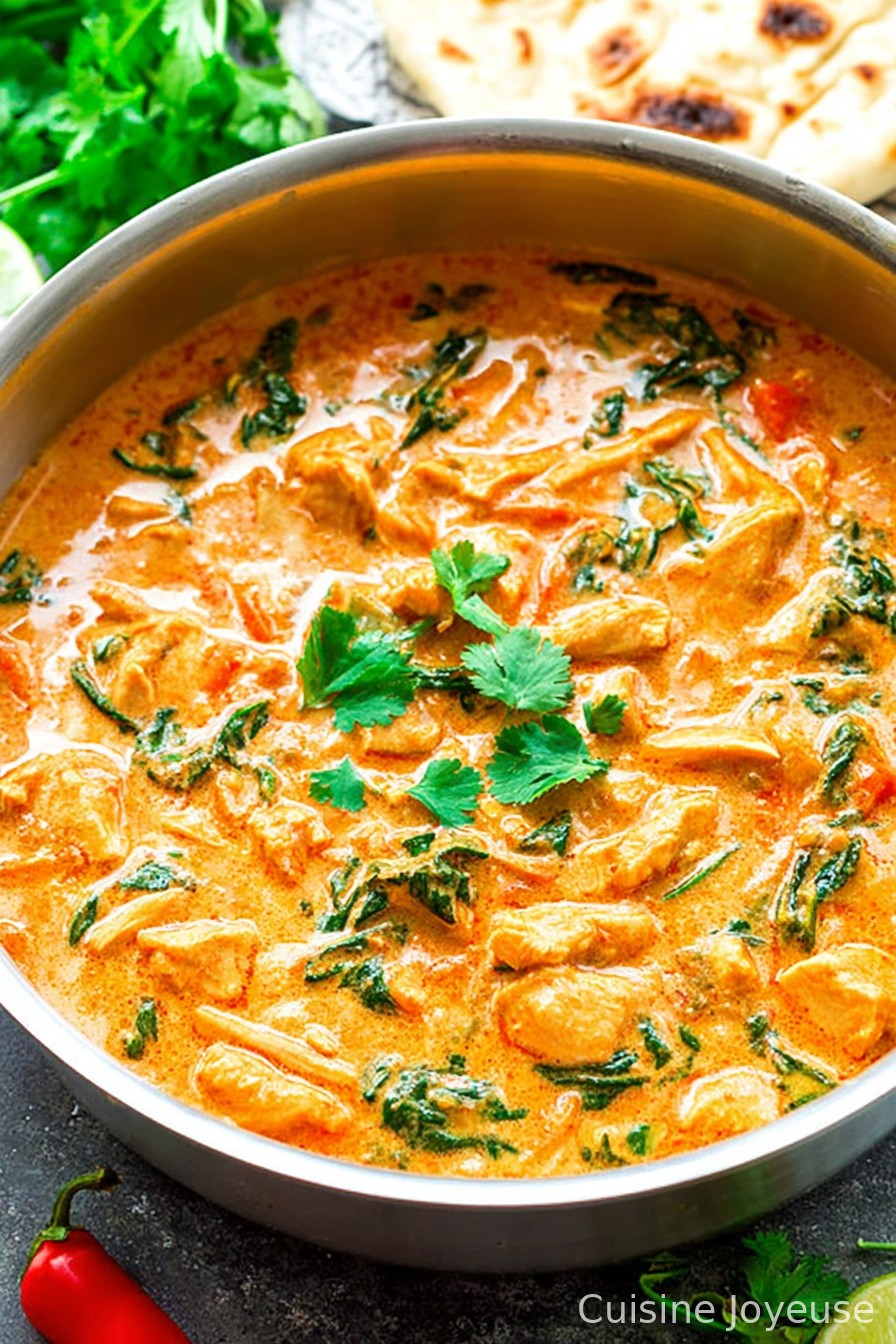
Most of the time I use a big nonstick frying pan, occasionally a heavy old pot. No wok? No drama. In fact, I’ve made this in my slow cooker (waited all day for it) and it came out richer. So, really, use what you’ve got — even an oven-safe dish works, just cover for most of the baking.
Storing Leftovers? Theoretical For Me
Supposedly, you can store this curry in an airtight container in the fridge for up to three days. But honestly, it never makes it past the next lunch in my house — everyone ‘samples’ it straight form the fridge. (Just heat it thoroughly before eating, please.) It also freezes if you portion it out, but I almost never do…
How I Like to Serve It
Jasmine rice is my personal favorite, mostly because it goes sneaky sticky and soaks up the sauce. Sometimes I throw some lime wedges and roasted peanuts on top, get all fancy for a Friday night. My brother loves a fried egg on his — not traditional, but who am I to judge?
What I Wish I’d Known Earlier (Or, How Not to Mess Up)
- Don’t rush the simmering! I tried shortcutting it once before a Zoom call — the chicken came out tough. Not worth it. Let it bubble away, even just 10 minutes works wonders.
- Taste as you go, especially the curry paste. Some brands are nuclear, others are just pleasant. Seriously, trust your tastebuds, not the back of the jar. (Don’t ask how I learned that.)
FAQ — Stuff I Actually Get Asked By Friends
- Can I use something besides chicken? Yup, pork works (just a little drier). Fish even, but you need to simmer way less or it falls apart. Actually, shrimp is very quick — toss it in at the end.
- Do I need fish sauce? Short answer: it adds a certain something, but soy sauce does the trick if you’re out. I once forgot altogether and it was…fine, but not as deep-tasting.
- Is coconut milk a must? For the classic dish, yeah, but I had to use evaporated milk once when desperate, and while it wasn’t authentic, it was still dinner.
- What veggies can I add? Nearly anything! I’ve tried green beans, broccoli, even spinach in the end. Only thing I’d avoid is, uh, eggplant — it gets a bit mushy here.
- Do I have to serve with rice? Nah, but it’s better with. Or grab some naan, I’ve even served it with chips when the cupboard was bare. Please don’t tell my Thai friends though…
And, just between us, if you end up with more sauce than chicken at the end, grab a hunk of crusty bread and mop it up — I’ll never tell.
Ingredients
- 1 lb (450 g) boneless, skinless chicken breast, cut into bite-sized pieces
- 1 tablespoon vegetable oil
- 1 medium onion, finely chopped
- 2 cloves garlic, minced
- 1 tablespoon fresh ginger, grated
- 2 tablespoons Thai red curry paste
- 1 red bell pepper, sliced
- 1 can (14 oz/400 ml) coconut milk
- 1 tablespoon fish sauce
- 1 teaspoon brown sugar
- 1 cup snap peas
- Fresh cilantro, chopped, for garnish
- Lime wedges, for serving
Instructions
-
1Heat the vegetable oil in a large skillet or wok over medium heat. Add the onion and sauté until soft, about 3 minutes.
-
2Add garlic and ginger, and cook for 1 minute until fragrant. Stir in the Thai red curry paste and cook for another minute.
-
3Add the chicken pieces and cook, stirring frequently, until they are lightly browned on all sides, about 5 minutes.
-
4Pour in the coconut milk, fish sauce, and brown sugar. Stir to combine, then add the red bell pepper and snap peas.
-
5Simmer the curry for 10-12 minutes, or until the chicken is cooked through and the vegetables are tender.
-
6Taste and adjust seasoning if needed. Serve hot, garnished with fresh cilantro and lime wedges.
Approximate Information for One Serving
Nutrition Disclaimers
Number of total servings shown is approximate. Actual number of servings will depend on your preferred portion sizes.
Nutritional values shown are general guidelines and reflect information for 1 serving using the ingredients listed, not including any optional ingredients. Actual macros may vary slightly depending on specific brands and types of ingredients used.
To determine the weight of one serving, prepare the recipe as instructed. Weigh the finished recipe, then divide the weight of the finished recipe (not including the weight of the container the food is in) by the desired number of servings. Result will be the weight of one serving.
Did you make this recipe?
Please consider Pinning it!!